Area Overview for M1 3QJ
Photos of M1 3QJ
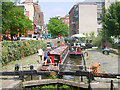
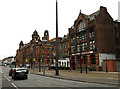

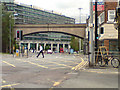
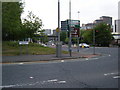

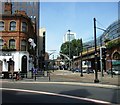
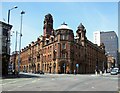

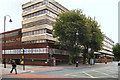
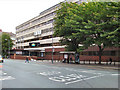

Area Information
Living in M1 3QJ means being part of a small, tightly knit residential cluster in Manchester, England. With a population of just 1,791, this area is compact but functional, serving as a microcosm of urban living. Its proximity to key transport hubs and retail centres makes it practical for daily life, while its modest size means residents are likely to know their neighbours. The area’s character is shaped by its mix of modern infrastructure and the rhythms of a city in transition. Young adults dominate the demographic, reflecting a community focused on affordability and accessibility. For those seeking a base near Manchester’s core, M1 3QJ offers proximity to cultural and commercial hubs without the premium prices of more central districts. However, its small footprint means amenities are limited to nearby zones, requiring a willingness to travel for broader services. The area’s appeal lies in its simplicity: a place where convenience and connectivity are prioritised over grandeur.
- Area Type
- Postcode
- Area Size
- Not available
- Population
- 1791
- Population Density
- 6442 people/km²
The property market in M1 3QJ is characterised by a low home ownership rate of 25%, indicating that the majority of housing is rented. Flats dominate the accommodation stock, reflecting the area’s small scale and the preferences of its young, transient population. This suggests a rental-focused market rather than one driven by long-term ownership. For buyers, the limited number of owner-occupied properties may mean competition is minimal, but the small area size means opportunities are constrained. The prevalence of flats also implies that property sizes are modest, which could be a consideration for those seeking larger homes. The market’s dynamics are likely influenced by proximity to Manchester’s transport networks and educational institutions, making it attractive to students and young professionals.
House Prices in M1 3QJ
Showing 4 properties
| Address | Type | Beds | Baths | Last Sale Price | Last Sale Date | |
|---|---|---|---|---|---|---|
| Flat M, Chandos Hall, Granby Row, Manchester, M1 3QJ | Flat | - | - | - | - | |
| Wardens Flat, Chandos Hall, Granby Row, Manchester, M1 3QJ | Flat | 1 | 3 | - | - | |
| Flat J, Chandos Hall, Granby Row, Manchester, M1 3QJ | Flat | - | - | - | - | |
| Chandos Hall, Granby Row, Manchester, M1 3QJ | Flat | 1 | 1 | - | - |
Energy Efficiency in M1 3QJ
Residents of M1 3QJ have access to a range of nearby amenities, though the selection is focused on practical needs. Retail options include Sainsburys Manchester, M&S Piccadilly SF, and Co-op Gateway, providing essentials within walking distance. The area’s transport links connect it to Manchester’s cultural and commercial centres, though local leisure options are sparse. Parks and open spaces are not explicitly listed in the data, but the proximity to Piccadilly Gardens suggests some green space is accessible. The character of daily life here is defined by convenience: shops, transport, and work opportunities are all within reach, but the area itself lacks expansive recreational facilities. This makes it ideal for those prioritising efficiency over leisure, though those seeking more extensive amenities may need to look beyond the immediate vicinity.
Amenities
Schools
| Rank | School | Type | Entry gender | Ages |
|---|
Explore more schools in this area
Go to Schools tabDemographics
The community in M1 3QJ is predominantly young, with a median age of 22 and the majority of residents aged between 15 and 29. This reflects a demographic skewed towards students, recent graduates, and early-career professionals. Home ownership is low at 25%, suggesting a rental market that caters to transient populations. Flats are the primary accommodation type, aligning with the area’s compact layout and the needs of younger residents. The predominant ethnic group is White, though specific diversity metrics are not provided. The age profile indicates a dynamic, evolving population, with potential implications for local services and social infrastructure. For buyers, this suggests a market where demand may fluctuate with educational cycles and employment trends.
Household Size
Accommodation Type
Tenure
Ethnic Group
Religion
Household Composition
Age
Household Deprivation
NS-SEC
Explore more demographic insights in this area
Go to Demographics tabPlanning
Planning Constraints
- Flood RiskPremium
- Ramsar Wetland SitesPremium
- Area of Outstanding Natural BeautyPremium
- Protected Nature ReservePremium
- Protected WoodlandPremium