Area Overview for M1 3BA
Photos of M1 3BA

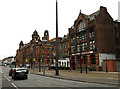

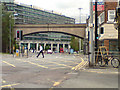
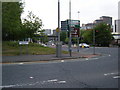

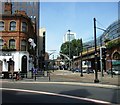
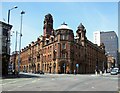

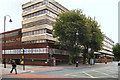
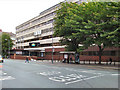

Area Information
Living in M1 3BA means being part of a small, tightly knit residential cluster in England, with a population of just 1851 people. This area is characterised by its compact nature, where daily life is shaped by proximity to transport hubs and local amenities. The community here is a mix of age groups, though young adults aged 15–29 make up the largest demographic. While the median age is 47, the presence of younger residents suggests a dynamic, evolving character. The area’s small size means residents are likely to know their neighbours, and the local infrastructure is designed for convenience rather than sprawl. With nearby rail stations, metro stops, and retail options, M1 3BA offers a balance between urban accessibility and residential tranquillity. However, the low home ownership rate—just 21%—hints at a rental-heavy market, which may influence the pace of change in the area. For those considering a move, the compact footprint of M1 3BA ensures that essential services are never far, but it also means the character of the neighbourhood is closely tied to its immediate surroundings.
- Area Type
- Postcode
- Area Size
- Not available
- Population
- 1851
- Population Density
- 5927 people/km²
The property market in M1 3BA is heavily rental-focused, with only 21% of residents owning their homes. This suggests a market dominated by landlords and tenants, which may influence the pace of development and the types of properties available. The accommodation is primarily flats, reflecting the area’s small footprint and likely proximity to urban centres. For buyers, this means the housing stock is limited to smaller units, often in multi-occupancy buildings. The low home ownership rate could indicate affordability challenges for first-time buyers or a preference for renting in a location with strong transport links. Given the area’s size, property values may be influenced more by proximity to nearby amenities—such as rail stations and retail hubs—than by intrinsic characteristics of the buildings themselves. Buyers should consider the long-term viability of owning in a market where rental demand may outpace owner-occupation.
House Prices in M1 3BA
No properties found in this postcode.
Energy Efficiency in M1 3BA
Residents of M1 3BA have access to a range of amenities within practical reach. Local retail options include Spar, Lidl City Tower, and Tesco City, providing everyday shopping needs. The area’s proximity to Piccadilly Gardens, St Peter’s Square, and Market Street offers public spaces for leisure and socialising, though specific details about parks or recreational areas are not provided. The density of rail and metro stations ensures easy access to cultural and employment hubs in Manchester. While the data does not specify dining or entertainment venues, the presence of major retail and transport nodes suggests a functional, urban lifestyle. The compact nature of the area means residents can walk or cycle to most services, though the lack of detailed information on green spaces or community facilities leaves some aspects of daily life unexplored.
Amenities
Schools
| Rank | School | Type | Entry gender | Ages |
|---|
Explore more schools in this area
Go to Schools tabDemographics
The community in M1 3BA is defined by its age profile, with a median age of 47 but a significant proportion of young adults aged 15–29. This suggests a mix of long-term residents and newer arrivals, possibly drawn by the area’s transport links and affordability. Home ownership is low, at 21%, indicating that most residents rent their properties. The predominant accommodation type is flats, which aligns with the area’s compact layout and limited space for larger homes. The majority of the population identifies as White, though no specific data on other ethnic groups is provided. The age demographic and rental market suggest a transient or student-like population, though the median age implies stability for some. The absence of detailed deprivation data means it is unclear how economic factors might affect quality of life, but the low home ownership rate could indicate a reliance on rental income or temporary housing.
Household Size
Accommodation Type
Tenure
Ethnic Group
Religion
Household Composition
Age
Household Deprivation
NS-SEC
Explore more demographic insights in this area
Go to Demographics tabPlanning
Planning Constraints
- Flood RiskPremium
- Ramsar Wetland SitesPremium
- Area of Outstanding Natural BeautyPremium
- Protected Nature ReservePremium
- Protected WoodlandPremium