Area Overview for M1 2QD
Photos of M1 2QD

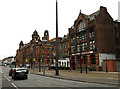

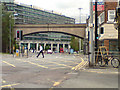
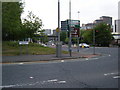

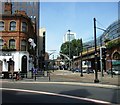
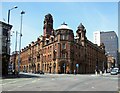

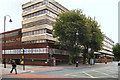
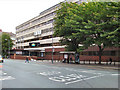

Area Information
Living in M1 2QD means inhabiting a small, tightly knit residential cluster in England with a population of 1,791. This area is defined by its proximity to transport hubs, including five metro stations and multiple rail stops such as Manchester Oxford Road and Deansgate, which connect residents to the city’s broader network. Daily life here is shaped by its compact size and the presence of nearby amenities like Sainsburys Manchester and Co-op Gateway, offering convenience for shopping. The area’s young demographic, with a median age of 22, suggests a community skewed toward students and early-career professionals. While the population is small, the area’s integration with Manchester’s infrastructure ensures access to urban opportunities without the density of a larger city centre. However, the high crime risk score of 0/100 raises practical concerns for residents, requiring vigilance and security measures. Despite this, the area’s flat-based housing stock and proximity to transport make it a viable option for those prioritising mobility over sprawling suburban living.
- Area Type
- Postcode
- Area Size
- Not available
- Population
- 1791
- Population Density
- 6442 people/km²
The property market in M1 2QD is characterised by a low home ownership rate of 25%, indicating that the majority of residents are renters rather than homeowners. The accommodation type is predominantly flats, which is typical of urban or semi-urban areas with limited space for larger homes. This suggests a housing stock tailored to younger, possibly student or transient populations, with a focus on affordability over long-term investment. For buyers considering the area, the small size of M1 2QD and its immediate surroundings means property options are limited, and the rental market may dominate. The flat-based model also implies that properties are likely to be smaller in size, which could be a consideration for those prioritising space. Given the high crime risk, potential buyers should weigh the safety implications against the convenience of proximity to transport and amenities.
House Prices in M1 2QD
No properties found in this postcode.
Energy Efficiency in M1 2QD
Residents of M1 2QD have access to a range of amenities within practical reach. Retail options include M&S Piccadilly SF, Sainsburys Manchester, and Co-op Gateway, offering everyday shopping needs. Public transport is well-served by five metro stations, including Piccadilly Gardens and New Islington, and five rail stations such as Manchester Oxford Road and Deansgate, facilitating easy travel across the city. The area’s proximity to transport hubs enhances its connectivity, though the lack of detailed information on leisure or recreational facilities means the full scope of lifestyle options remains unclear. The presence of multiple retail and transport points suggests a functional, convenience-driven environment, though the absence of specific data on parks or cultural venues limits a more comprehensive picture of the area’s character.
Amenities
Schools
| Rank | School | Type | Entry gender | Ages |
|---|
Explore more schools in this area
Go to Schools tabDemographics
The community in M1 2QD is predominantly young, with a median age of 22 and the most common age range being 15–29 years. This suggests a population skewed toward students, recent graduates, and young professionals. Home ownership is low at 25%, indicating that the area is largely a rental market, with flats being the predominant accommodation type. This aligns with the needs of transient or budget-conscious residents. The predominant ethnic group is White, though specific data on diversity beyond this is not provided. The young age profile and flat-based housing suggest a dynamic, possibly student-influenced environment, though the lack of data on deprivation or income levels means the quality of life implications of these demographics remain unquantified. The area’s small population and age structure imply a community that may be more transient than settled.
Household Size
Accommodation Type
Tenure
Ethnic Group
Religion
Household Composition
Age
Household Deprivation
NS-SEC
Explore more demographic insights in this area
Go to Demographics tabPlanning
Planning Constraints
- Flood RiskPremium
- Ramsar Wetland SitesPremium
- Area of Outstanding Natural BeautyPremium
- Protected Nature ReservePremium
- Protected WoodlandPremium