Area Overview for M1 2NU
Photos of M1 2NU



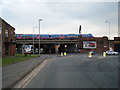




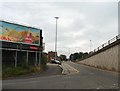


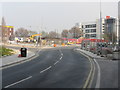
Area Information
Living in M1 2NU means being part of a compact residential cluster in Manchester, a city known for its dynamic urban landscape. With a population of 1,988, this postcode reflects a small but active community. The area’s proximity to retail hubs, transport networks, and educational institutions makes it a practical choice for those prioritising convenience. Young adults aged 15–29 form the majority, shaping a social environment centred on accessibility rather than traditional family living. The presence of nearby schools, including a primary school and two academies with good Ofsted ratings, suggests a focus on education. While the area lacks natural beauty designations, its urban setting offers direct links to Manchester’s cultural and economic centres. Residents benefit from excellent broadband connectivity and multiple transport options, though crime rates are notably higher than average. This postcode suits those seeking a compact, connected lifestyle with a mix of rental properties and proximity to city amenities.
- Area Type
- Postcode
- Area Size
- Not available
- Population
- 1988
- Population Density
- 3565 people/km²
The property market in M1 2NU is characterised by a low home ownership rate of 21%, suggesting that the majority of housing stock is rented. Flats dominate as the primary accommodation type, reflecting a trend common in urban areas with limited space for larger properties. This makes the area more suited to renters, particularly students or young professionals, rather than long-term homeowners. The compact nature of the postcode means that property choices are limited to smaller units, often in shared or purpose-built blocks. For buyers, this suggests a focus on investment in rental properties rather than owner-occupation. The proximity to transport links and amenities may offset the lack of larger homes, but the low home ownership rate indicates that the area is not a traditional buyer’s market.
House Prices in M1 2NU
No properties found in this postcode.
Energy Efficiency in M1 2NU
Daily life in M1 2NU is shaped by its proximity to retail, transport, and leisure options. The area includes five retail venues, such as Sainsburys Manchester and M&S Piccadilly, offering convenience for shopping and daily essentials. Metro stations like New Islington and Holt Town provide easy access to nearby parks and cultural sites, while rail stations connect to Manchester’s broader network. The presence of Chorlton Street Coach Station adds flexibility for regional travel. Parks and open spaces are not explicitly listed, but the area’s urban layout suggests reliance on nearby green spaces like Piccadilly Gardens. The mix of retail, transport, and educational institutions creates a lively, practical environment, though the compact nature of the postcode means amenities are concentrated within a short walk.
Amenities
Schools
Residents of M1 2NU have access to a range of educational institutions. St Jude’s CofE Primary School provides early years and primary education with a good Ofsted rating. For secondary education, Co-op Academy New Islington and Sol Christian Academy offer alternative options, both rated good by Ofsted. The mix of a state academy and an independent school provides families with choices, though the independent school may cater to those seeking private education. The presence of two academies with good ratings suggests a focus on quality teaching, though no data is available on pupil performance or school capacity. Families should consider the proximity of these schools to specific properties and the potential for competition in admissions.
| Rank | School | Type | Entry gender | Ages |
|---|
Explore more schools in this area
Go to Schools tabDemographics
M1 2NU has a median age of 22, with young adults aged 15–29 making up the largest demographic group. This reflects a community skewed towards students, recent graduates, or those in early careers. Home ownership is low at 21%, indicating that most residents are renters, likely living in flats as the predominant accommodation type. The population is predominantly White, with no data provided on other ethnic groups. The age profile and low home ownership suggest a transient population, possibly linked to student housing or short-term rental markets. While no specific deprivation data is available, the high proportion of young adults and rental properties may indicate a reliance on part-time work or student finances. This demographic profile shapes a community focused on affordability and proximity to opportunities rather than long-term stability.
Household Size
Accommodation Type
Tenure
Ethnic Group
Religion
Household Composition
Age
Household Deprivation
NS-SEC
Explore more demographic insights in this area
Go to Demographics tabPlanning
Planning Constraints
- Flood RiskPremium
- Ramsar Wetland SitesPremium
- Area of Outstanding Natural BeautyPremium
- Protected Nature ReservePremium
- Protected WoodlandPremium