Area Overview for Longtown
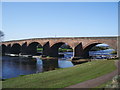
Photos of Longtown

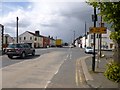
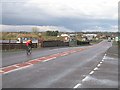

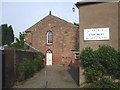

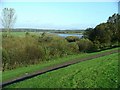
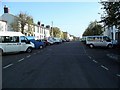
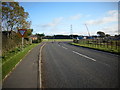
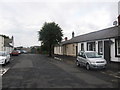
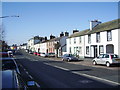
Area Information
Living in Longtown offers a quiet retirement-oriented lifestyle within a compact 1.7 km² built-up area in England. You will find a community defined by its small size and older demographic, creating a distinct atmosphere different from larger towns. The area functions as a tightly knit locality where residents often know one another, supported by a high rate of home ownership. This concentration of ownership suggests a stable environment where many people stay in their properties for life. Daily life in Longtown revolves around local amenities within walking distance and regular rail links to Gretna Green. The combination of limited urban sprawl and strong community ties makes it an attractive option for those seeking peace and privacy. Prospective buyers should note that the area's character is shaped heavily by its pensioner population. You are likely to encounter a neighbourhood where the pace of life slows down in the evenings. The proximity to the Scottish border adds a unique geographical context, yet Longtown retains its identity as a distinct English locality. This setting provides a snug, if sometimes isolated, environment for those who value a traditional community over urban vibrancy.
- Area Type
- Built Up Area 250
- Area Size
- 1.7 km²
- Population
- Not available
- Population Density
- Not available
Your daily life in Longtown revolves around a small selection of accessible amenities within practical reach. For retail needs, you have access to five key venues, including a Spar, Spar Longtown, and M&S Gretna. These shops meet essential requirements for groceries and general household items without requiring you to travel elsewhere. The availability of multiple Spar outlets suggests a localised focus on convenience and quick access to fresh food. While the town centre is compact, the presence of these named retailers ensures you do not need to venture far for basics. Transport links include the Gretna Green Railway Station, which serves as the primary rail gateway for the community. This station connects residents to wider networks, though the scale of the town limits extensive commercial districts beyond the high street. Living in Longtown means you can satisfy most daily needs within a few minutes walk or a short drive. The lack of large shopping centres or cinema complexes should be noted, but the current setup offers a human-scale environment. Elderly residents particularly benefit from the proximity of necessary goods. The character of the area is one of simplicity, where a Spar run and a train ride cover the majority of practical requirements.
Amenities
Schools
Families considering living in Longtown must navigate the local education landscape carefully. The area contains several primary institutions that serve the immediate locality. These include Longtown Infant School, Lochinvar School, and Longtown Junior School. You will also find a Longtown Primary School, which currently holds a good Ofsted rating. While the presence of these schools provides local options, their classification as primary institutions suggests they are situated to serve younger children living in and around the neighbourhood. For secondary education, Longtown relies on institutions outside its immediate 1.7 km² footprint. The concentration of primary schools indicates that the local village parish acts as the first point of contact for early education. The fact that multiple schools bear the name "Longtown" suggests a historical split or expansion of facilities within the small town limits. Homebuyers with school-age children need to verify catchment zones carefully, as family-sized housing may be less common than expected. The presence of a school rated good is a positive factor for families seeking stability. However, the demographic reality of a median age of 70 means that enrolment numbers may fluctuate depending on residential patterns in the broader region. Prospective parents should visit the listed schools directly to confirm current capacity and admission policies.
| Rank | A + A* % | School | Type | Entry gender | Ages |
|---|---|---|---|---|---|
| 1 | N/A | Longtown Infant School | primary | N/A | N/A |
| 2 | N/A | Lochinvar School | primary | N/A | N/A |
| 3 | N/A | Longtown Junior School | primary | N/A | N/A |
| 4 | N/A | Longtown Primary School | primary | N/A | N/A |
| 5 | N/A | Longtown Primary School | primary | N/A | N/A |
Explore more schools in this area
Go to Schools tabDemographics
The community in Longtown is overwhelmingly defined by an older population, with a median age of 70 years old. This figure indicates that the majority of residents are retirees or senior citizens, shaping the entire social fabric of the neighbourhood. Most households in Longtown consist of older individuals living alone or in couples, reflecting the demographic shift away from young families. Home ownership stands at 63%, meaning nearly two-thirds of residents own their homes outright or with a mortgage. This high ownership rate contrasts sharply with areas dominated by private rented sectors. You will find that the accommodation stock is primarily suited for long-term living rather than short-term rentals. While the data does not specify breakdowns by ethnicity or religion, the overarching demographic profile points to a homogenous senior community. The absence of younger age groups means you will not see the typical bustle of school runs or playground activity. Instead, the energy of the area comes from local clubs, quiet socialising, and the maintenance of established gardens. Understanding that the population is older helps you appreciate the specific needs of the area, from quieter streets to retirement-focused amenities. For anyone seeking a community of peers in later life, Longtown presents a clear demographic fit.
Household Size
Accommodation Type
Tenure
Ethnic Group
Religion
Household Composition
Age
Household Deprivation
NS-SEC
Explore more demographic insights in this area
Go to Demographics tabPlanning
Planning Constraints
- Crime RiskLocked