Area Overview for L6 1ND
Photos of L6 1ND


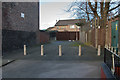
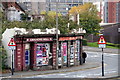
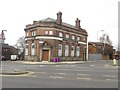
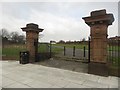
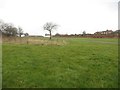
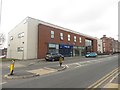
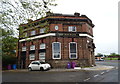
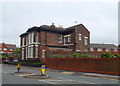
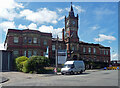
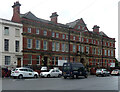
Area Information
Living in L6 1ND offers a compact, residential experience shaped by its small cluster of homes and proximity to Liverpool’s transport networks. With a population of 1,658, the area is tightly knit, serving as a practical base for young professionals and students. Its location near key rail and ferry routes makes it a convenient hub for commuters, while the presence of retail outlets like Tesco Liverpool and Asda Breck ensures everyday needs are met locally. The area’s character is defined by its youthful demographic, with a median age of 22 and most residents aged 15–29. This suggests a dynamic, transient community, likely influenced by nearby educational institutions or employment opportunities. While the housing stock is limited to individual homes rather than flats, the low flood risk and absence of environmental constraints contribute to a stable living environment. However, the moderate crime risk score of 46 means residents should maintain standard security measures. For those prioritising connectivity, the broadband and mobile scores suggest reliable digital access, supporting both work and leisure. L6 1ND is not a sprawling suburb but a focused postcode where proximity to amenities and transport is key to daily life.
- Area Type
- Postcode
- Area Size
- Not available
- Population
- 1658
- Population Density
- 7609 people/km²
The property market in L6 1ND is defined by its low home ownership rate of 24%, indicating that the majority of housing is rented rather than owned. This suggests a rental-focused market, likely catering to transient populations such as students or young professionals. The accommodation type is exclusively houses, not flats, which is atypical for a small postcode but may reflect the area’s older housing stock or specific planning constraints. With only 1,658 residents, the housing supply is limited, meaning buyers should consider the immediate surrounding areas for more options. The lack of flats may appeal to those seeking larger living spaces, but it also limits diversity in property types. For buyers, the small size of L6 1ND means competition could be fierce, and prices may be influenced by proximity to transport links like Liverpool Lime Street Station. The low home ownership rate also implies that landlords may dominate the market, potentially affecting availability and affordability for first-time buyers.
House Prices in L6 1ND
No properties found in this postcode.
Energy Efficiency in L6 1ND
Residents of L6 1ND have access to a range of amenities within walking or short-vehicle distance, enhancing daily convenience. Retail options include major supermarkets like Tesco Liverpool, Asda Breck, and Iceland Breck, ensuring groceries and essentials are readily available. The proximity to rail stations such as Liverpool Central Loop Line and ferry terminals like Seacombe Ferry Terminal provides easy access to city and regional travel, supporting both commuting and leisure trips. While the area lacks large parks or cultural venues, its integration with Liverpool’s transport network means residents can quickly reach the city’s attractions. The presence of multiple retail and transport hubs suggests a practical, service-oriented lifestyle, ideal for those prioritising accessibility over expansive leisure spaces. However, the absence of specific data on dining or recreational facilities means the area’s character is defined more by its utility than by unique local amenities. For residents, the balance between convenience and limited local offerings is key to understanding the lifestyle in L6 1ND.
Amenities
Schools
| Rank | School | Type | Entry gender | Ages |
|---|
Explore more schools in this area
Go to Schools tabDemographics
The community in L6 1ND is overwhelmingly young, with a median age of 22 and 82% of residents falling within the 15–29 age range. This suggests a population skewed towards students, early-career professionals, or those in transitional life stages. Home ownership is low at 24%, indicating that most residents rent their homes, which may reflect the area’s role as a temporary base for those pursuing education or work in nearby urban centres. The predominant accommodation type is houses, not flats, which is unusual for a small postcode but may align with the local housing stock’s character. The ethnic composition is predominantly White, with no data provided on other groups. The age profile and ownership figures imply a community with limited long-term settlement, where affordability and proximity to transport may be key factors for residents. The absence of specific deprivation data means it is unclear how economic pressures affect quality of life, but the low home ownership rate could suggest financial constraints for some households.
Household Size
Accommodation Type
Tenure
Ethnic Group
Religion
Household Composition
Age
Household Deprivation
NS-SEC
Explore more demographic insights in this area
Go to Demographics tabPlanning
Planning Constraints
- Flood RiskPremium
- Ramsar Wetland SitesPremium
- Area of Outstanding Natural BeautyPremium
- Protected Nature ReservePremium
- Protected WoodlandPremium