Area Overview for L1 9RS
Photos of L1 9RS

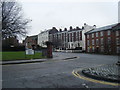
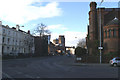
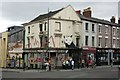
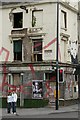
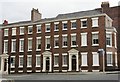
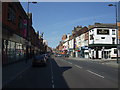

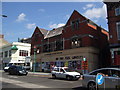
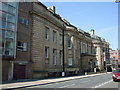
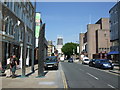

Area Information
Living in L1 9RS means being part of a small, tightly knit residential cluster in England with a population of 2,547. This area is characterised by its compact size and proximity to key transport links, making it a practical choice for those prioritising connectivity. The community is predominantly young, with a median age of 22 and most residents falling within the 15–29 age range. This demographic shapes a dynamic, active environment, though the area’s housing stock is largely composed of flats, reflecting its rental-focused market. Nearby, residents benefit from access to specialist education, such as the Royal Liverpool Children’s Hospital School, and cultural institutions like Liverpool Institute of Performing Arts. While the area lacks large-scale amenities, its rail, ferry, and retail networks ensure daily needs are met. However, the high crime risk score of 16/100 underscores the need for caution, particularly for those considering long-term residency. Despite this, L1 9RS offers a blend of practicality and accessibility, ideal for commuters and students drawn to Liverpool’s broader opportunities.
- Area Type
- Postcode
- Area Size
- Not available
- Population
- 2547
- Population Density
- 9710 people/km²
The property market in L1 9RS is overwhelmingly rental-focused, with only 16% of residents owning their homes. The area’s housing stock is dominated by flats, reflecting its role as a secondary or transitional living space for young adults and students. This dynamic suggests limited opportunities for long-term homeownership, particularly for those seeking family homes. The compact size of the area means the local property market is closely tied to nearby Liverpool districts, where larger housing options may be available. Buyers considering L1 9RS should note the challenges of securing a purchase in a predominantly rented environment. However, the proximity to transport links and educational institutions may appeal to those prioritising location over property size.
House Prices in L1 9RS
No properties found in this postcode.
Energy Efficiency in L1 9RS
Daily life in L1 9RS is shaped by its proximity to retail, transport, and cultural hubs. The area’s five retail outlets, including Co-op Liverpool and Heron Liverpool, provide access to groceries and general goods. Rail stations like Liverpool Lime Street and James Street offer seamless connections to the city centre and surrounding regions, while ferry terminals at Pier Head and Woodside Birkenhead facilitate travel across the Mersey. Though the area lacks expansive parks or leisure facilities, its transport links grant residents access to Liverpool’s broader amenities, from museums to nightlife. The presence of LIPA and the Royal Liverpool Children’s Hospital School adds a distinct cultural and educational dimension. Overall, L1 9RS offers a practical, connectivity-driven lifestyle suited to commuters and students.
Amenities
Schools
Residents of L1 9RS have access to a range of educational institutions, including the Royal Liverpool Children’s Hospital School, a specialist institution catering to students with specific needs, and LIPA Sixth Form College, which provides post-16 education. The Liverpool Institute of Performing Arts, though classified as an ‘other’ type, offers vocational training in the arts. This mix of school types ensures families can find options tailored to their children’s requirements, from specialist education to higher-level arts training. However, the absence of traditional primary or secondary schools in the immediate area means parents may need to look beyond L1 9RS for everyday schooling. The proximity to LIPA also highlights the area’s connection to Liverpool’s cultural and educational landscape.
| Rank | School | Type | Entry gender | Ages |
|---|
Explore more schools in this area
Go to Schools tabDemographics
The population of L1 9RS is 2,547, with a median age of 22, indicating a community heavily skewed towards young adults aged 15–29. Only 16% of residents own their homes, with flats being the predominant accommodation type. This suggests a rental market dominated by transient or student populations. The area’s demographic is largely homogenous, with White residents forming the majority. The low home ownership rate and young age profile imply a community shaped by temporary stays, such as students or those in transient employment. While the data does not specify deprivation levels, the high proportion of renters and young residents may indicate a reliance on local services and support networks. The absence of detailed diversity metrics means the area’s cultural composition remains underexplored in the provided data.
Household Size
Accommodation Type
Tenure
Ethnic Group
Religion
Household Composition
Age
Household Deprivation
NS-SEC
Explore more demographic insights in this area
Go to Demographics tabPlanning
Planning Constraints
- Flood RiskPremium
- Ramsar Wetland SitesPremium
- Area of Outstanding Natural BeautyPremium
- Protected Nature ReservePremium
- Protected WoodlandPremium