Area Overview for L1 2TZ
Photos of L1 2TZ
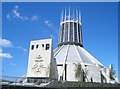
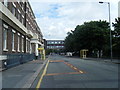
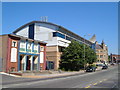


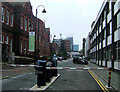
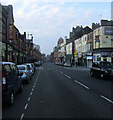
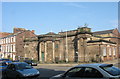
Area Information
Living in L1 2TZ means being part of a tightly knit, small-scale residential cluster in England. The area covers just 890 square metres, housing 2403 people in a densely packed environment. This compact postcode is defined by its proximity to key urban hubs, with easy access to Liverpool’s transport networks and educational institutions. The population density of 2,701,119 people per square kilometre reflects a highly concentrated community, where daily life is shaped by shared spaces and limited private land. Despite its size, L1 2TZ offers practical connectivity to retail, rail, and ferry services, making it a convenient base for those prioritising accessibility over space. The area’s character is influenced by its mix of young residents and students, with a strong presence of educational institutions nearby. While the density may feel intense, the area’s proximity to amenities and transport links compensates, offering a compact but functional urban lifestyle.
- Area Type
- Postcode
- Area Size
- 890 m²
- Population
- 2403
- Population Density
- 5816 people/km²
The property market in L1 2TZ is almost entirely rental-focused, with just 12% of homes owner-occupied. The accommodation type is predominantly flats, reflecting a high-density, urban environment. This suggests a lack of traditional family homes and a focus on smaller, more affordable units. The small area size and compact layout mean that property choices are limited to flats, which may appeal to students or young professionals seeking low-maintenance living. For buyers, the area is unlikely to offer long-term investment potential due to its transient population and limited housing diversity. The high proportion of rental properties also means competition for available units, particularly among students and those working in nearby universities or industries. Prospective buyers should consider the area’s suitability for short-term stays rather than permanent residence.
House Prices in L1 2TZ
No properties found in this postcode.
Energy Efficiency in L1 2TZ
Residents of L1 2TZ benefit from a range of nearby amenities, including retail, transport, and leisure options. The area is within practical reach of five retail outlets, including Co-op Leece, Tesco Liverpool, and Co-op Liverpool, offering everyday shopping needs. Rail services connect to Liverpool’s central stations, while ferry terminals provide access to regional travel. Though the area itself is small, its proximity to larger urban centres means residents can access broader cultural and recreational opportunities. The mix of retail, transport, and ferry services supports a convenient, if compact, lifestyle. However, the lack of dedicated parks or leisure facilities within the postcode suggests that outdoor activities may require travel to nearby areas. The convenience of nearby amenities balances the area’s limited internal space.
Amenities
Schools
Residents of L1 2TZ have access to a range of educational institutions, from primary schools to higher education. Nearby primary schools include Pleasant Street Primary School, rated ‘good’ by Ofsted, and St Nicholas’s Catholic Primary School, which serves younger children. St Nicholas RC Infant School further caters to early years education. For secondary and further education, The City of Liverpool College offers sixth-form provision, while Liverpool John Moores University provides higher education opportunities. This mix of school types ensures families can access early education, secondary schooling, and university-level study within a short distance. The presence of multiple institutions supports a student-heavy population, though the lack of specialist schools for specific needs may require additional planning for families with particular educational requirements.
| Rank | School | Type | Entry gender | Ages |
|---|
Explore more schools in this area
Go to Schools tabDemographics
The community in L1 2TZ is overwhelmingly young, with a median age of 22 and the majority of residents aged 15–29. This demographic skew suggests a population dominated by students and young professionals. Only 12% of households are owner-occupied, with flats being the primary accommodation type. The predominant ethnic group is White, reflecting a homogenous demographic profile. The high proportion of young adults and students indicates a transient population, with limited long-term residency. This dynamic influences local services and amenities, which cater to a mobile, student-heavy demographic. The low home ownership rate suggests a rental market dominated by short-term tenancies, which may impact stability for families seeking long-term housing. The area’s character is shaped by its youthful energy, but this also means it lacks the established community networks found in older, more settled areas.
Household Size
Accommodation Type
Tenure
Ethnic Group
Religion
Household Composition
Age
Household Deprivation
NS-SEC
Explore more demographic insights in this area
Go to Demographics tabPlanning
Planning Constraints
- Flood RiskPremium
- Ramsar Wetland SitesPremium
- Area of Outstanding Natural BeautyPremium
- Protected Nature ReservePremium
- Protected WoodlandPremium