Area Overview for L1 1DQ
Photos of L1 1DQ

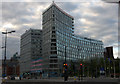
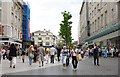

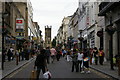
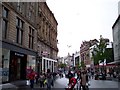

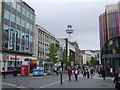
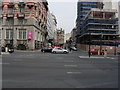
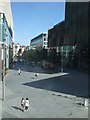
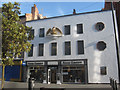

Area Information
Living in L1 1DQ means inhabiting a compact, densely populated residential cluster in England. The area covers just 169 square metres, housing 2,478 people in a space that feels more like a tight-knit community than a sprawling suburb. Its proximity to major transport hubs and retail centres makes it a practical choice for those prioritising connectivity over space. The area’s character is defined by its young demographic, with a median age of 22 and most residents falling into the 15–29 age bracket. This suggests a dynamic, possibly transient population, drawn to the area’s access to rail, ferry, and retail amenities. While the density is extreme—over 14 million people per square kilometre—the small size means residents are likely within walking distance of essential services. However, the high population density also raises questions about the area’s long-term sustainability, particularly given the low home ownership rate and reliance on rented flats. For those seeking convenience over privacy, L1 1DQ offers a unique blend of proximity to infrastructure and a youthful, active community.
- Area Type
- Postcode
- Area Size
- 169 m²
- Population
- 2478
- Population Density
- 6665 people/km²
The property market in L1 1DQ is dominated by rented flats, with only 14% of households being owner-occupied. This indicates a rental-focused market, likely catering to students, young professionals, or those in temporary employment. The small area size—just 169 square metres—means housing stock is limited, and the high population density suggests little scope for expansion or new developments. Flats are the primary accommodation type, which may appeal to those prioritising affordability and proximity to transport over space. For buyers, this presents challenges: the area is unlikely to offer large homes or long-term value appreciation. Instead, any property purchase would need to consider the transient nature of the community and the potential for fluctuating demand. The high density also means competition for available properties, particularly in a market where ownership is rare.
House Prices in L1 1DQ
No properties found in this postcode.
Energy Efficiency in L1 1DQ
Residents of L1 1DQ have access to a range of essential amenities within practical reach. Retail options include major supermarkets like Tesco Clayton, Sainsburys Liverpool, and Tesco Liverpool, ensuring daily shopping needs are met. The area’s transport links are a significant lifestyle advantage, with five rail stations—such as Liverpool Central Loop Line and Liverpool Lime Street Low Level—offering frequent services to the city and surrounding areas. Ferry terminals, including Liverpool Pier Head and Woodside Birkenhead, provide connections to the Isle of Man, Dublin, and Birkenhead, enhancing mobility for both commuters and leisure travel. While the area lacks parks or leisure facilities within its small footprint, its proximity to larger urban centres means residents can access cultural, recreational, and dining options elsewhere. The combination of retail, rail, and ferry access creates a convenient, though compact, lifestyle suited to those prioritising connectivity over green spaces.
Amenities
Schools
| Rank | School | Type | Entry gender | Ages |
|---|
Explore more schools in this area
Go to Schools tabDemographics
The community in L1 1DQ is overwhelmingly young, with a median age of 22 and the majority of residents aged between 15 and 29. This demographic skew suggests a population focused on education, entry-level careers, or transient lifestyles. Only 14% of households are owner-occupied, indicating that the area is primarily a rental market. The accommodation type is predominantly flats, which aligns with the high population density and compact nature of the area. The predominant ethnic group is White, though specific data on diversity is not provided. The low home ownership rate and high proportion of young adults imply a community that may be less stable than older, owner-occupied neighbourhoods. This could affect local services and amenities, as demand for housing and facilities may fluctuate. For buyers, the area’s demographics suggest a market driven by renters and students, with limited long-term investment potential.
Household Size
Accommodation Type
Tenure
Ethnic Group
Religion
Household Composition
Age
Household Deprivation
NS-SEC
Explore more demographic insights in this area
Go to Demographics tabPlanning
Planning Constraints
- Flood RiskPremium
- Ramsar Wetland SitesPremium
- Area of Outstanding Natural BeautyPremium
- Protected Nature ReservePremium
- Protected WoodlandPremium