Area Overview for Hayton
Photos of Hayton
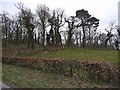
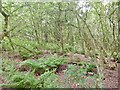
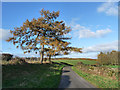
Area Information
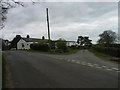
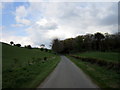
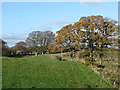
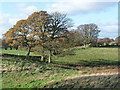
Living in Hayton means settling into a rural civil parish with a distinct sense of place. This community sits within the Eden district of Cumbria, North West England, covering an area of 31.7 square kilometres. The settlement centres around the historic Hayton Castle, which stands as a manor house at the heart of the parish. You will find neighbouring townships like Talkin and Little Corby integral to this wider parish structure. Hayton originated as a hay-farming settlement of Anglo-Saxon origin, first recorded in 1170. The landscape is defined by farming on sandy soils historically suited to rye production. The village population hovers around 1,965 to 2,180 residents, creating a tightly knit rural environment. You are not looking at a bustling urban centre; instead, you are entering a quiet locality where daily life revolves around the countryside. Its history includes significant milestones, such as the construction of Hayton school in 1818 and assistance from the Graham family later in the nineteenth century. The area escaped the industrial peak of its neighbours, with population numbers varying but remaining consistent with a village typology. Daily life here reflects its origins as a hay-farming hub rather than an industrial town. Although coal mining and quarrying occurred historically, no current major employers or commercial centres identify within the parish boundaries. The location sits approximately five miles east of Carlisle. If you consider moving to Hayton, you accept a lifestyle defined by agricultural heritage and proximity to Carlisle without the city's density. The area encompasses specific townships that form a cohesive rural settlement distinct from the immediate urban fringe.
- Area Type
- Parish
- Area Size
- 31.7 km²
- Population
- Not available
- Population Density
- Not available
Demographics
The community in Hayton reflects an established rural demographic profile. You will find that the median age is 70 years old, indicating a population skewed towards older residents. This age distribution suggests a community where long-term residents and retirees form the backbone of the local fabric. With a total household composition and accommodation type data encompassing the whole parish, the social landscape appears stable and mature. Home ownership stands at an impressive 81%, confirming that most households here own their property outright. This high rate of ownership points to a community built on stability rather than transient rental markets. You are looking at a neighbourhood where generations have often taken root in the same location. The data does not specify breakdowns for household types, ethnicity, or religion, but the high ownership figure implies a settled population familiar with the local laws and customs. It is rare to find a mix of demographics typical of urban centres; instead, you find a cohesive group sharing similar life stages and economic standing. The presence of high home ownership suggests that families with lifetime plans are more common than those seeking temporary accommodations. You move here with the expectation of staying for the long term, supported by a wealth of equity in the local stock. An area with such a high ownership rate typically offers a quieter, more predictable social environment. There is a distinct lack of the volatility associated with high-density rental sectors. The residents are likely deeply connected to the land and the specific history of Hayton.
Household Size
Accommodation Type
Tenure
Ethnic Group
Religion
Household Composition
Age
Household Deprivation
NS-SEC
Explore more demographic insights in this area
Go to Demographics tabPlanning
Planning Constraints
- Flood RiskPremium
- Ramsar Wetland SitesPremium
- Area of Outstanding Natural BeautyPremium
- Protected Nature ReservePremium
- Protected WoodlandPremium
- Crime RiskPremium