Area Overview for Harington Ward
Photos of Harington Ward
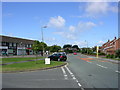
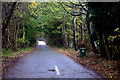
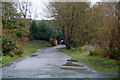
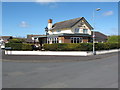
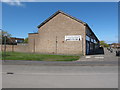
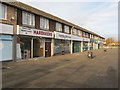
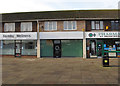
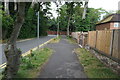
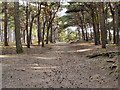
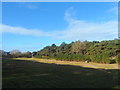
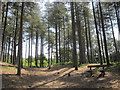
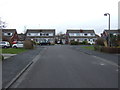
Area Information
Living in Harington Ward offers a quiet residential experience within Northumberland, defined by its manageable scale and established character. This district borough unitary ward covers an area of 21.7 square kilometres, providing sufficient space while maintaining a close-knit feel. You will find a population of 5,206 residents spread across the ward, creating a setting where community members often know one another. The area sits within England, far from the congestion of major cities, yet it retains reliable connections to the wider region. Daily life here is shaped by the balance between open spaces and local amenities, suitable for those seeking a settled pace. The ward functions as a self-contained community where simplicity and stability take precedence over high-speed urban living. There is a distinct lack of commercial sprawl, meaning your routine revolves around local fixtures rather than large shopping centres or industrial zones. The landscape supports a low-density lifestyle, making it an ideal location for residents who prioritise tranquillity and privacy. When you consider homes in Harington Ward, you are buying into a space defined by its specific population count and geographical boundaries. The area does not attempt to impersonate a larger town but stands confident in its own identity as a stable, populated district. Your experience will be grounded in the reality of a place with five thousand souls living together in a twenty-two-square-kilometre footprint.
- Area Type
- District Borough Unitary Ward
- Area Size
- 21.7 km²
- Population
- 5206
- Population Density
- 240 people/km²
Demographics
The community in Harington Ward is predominantly elderly, reflecting a settlement where long-term residents pass generations or serve as retirement villages. The median age stands at 70 years, meaning half the population is older than this figure. You can expect the demographic profile to skew heavily toward seniors rather than young families or students. Home ownership is exceptionally high within these boundaries, with 90% of households owning their properties outright or with a mortgage. This contrasts sharply with typical urban rental markets, indicating a stable population with deep local roots. The ward avoids the transient flux common in student towns or city centres. Household composition data suggests a total count that aligns with the needs of older adults, likely including more single-person homes and downsizers. Accommodation types throughout the ward cater to this age range, though specific structural details remain generalised in the broader data sets. There is a clear focus on permanence, as evidenced by the vast majority of residents who are not tenants. This demographic reality means you will encounter neighbours who value loyalty to the area and established routines. When you look at living in Harington Ward, the social fabric is woven from long-term connections rather than new arrivals seeking a foothold. The absence of a large youth population results in a quieter, slower-paced neighbourhood dynamic. Your potential neighbours are likely to be reflective of this age structure, fostering an environment of mutual respect and established traditions.
Household Size
Accommodation Type
Tenure
Ethnic Group
Religion
Household Composition
Age
Household Deprivation
NS-SEC
Explore more demographic insights in this area
Go to Demographics tabPlanning
Planning Constraints
- Flood RiskPremium
- Ramsar Wetland SitesPremium
- Area of Outstanding Natural BeautyPremium
- Protected Nature ReservePremium
- Protected WoodlandPremium