Area Overview for Greater Manchester
Photos of Greater Manchester
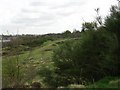
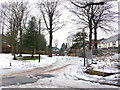
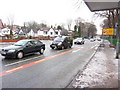
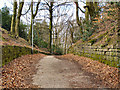
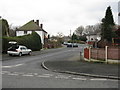
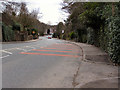
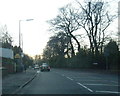
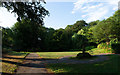
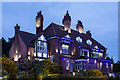
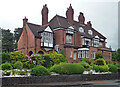
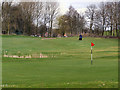
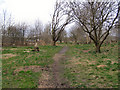
Area Information
Greater Manchester stands as a major metropolitan and ceremonial county in North West England, covering an area of 1276.9 km². You are buying into a region that borders Lancashire to the north, West Yorkshire and Derbyshire to the east, and Merseyside to the west. The county is centred on the city of Manchester, which serves as a global cultural and economic centre. This area is not a historic county but a modern administrative creation established on 1 April 1974 from parts of north-east Cheshire, south-east Lancashire, and the West Riding of Yorkshire. Since 31 March 1986, the Greater Manchester County Council has been abolished, with functions distributed to ten local borough councils. These councils, including Manchester, Salford, Bolton, Bury, Oldham, Rochdale, Stockport, Tameside, Trafford, and Wigan, manage local services while the Greater Manchester Combined Authority oversees strategic planning. The region is densely populated and highly urbanised, blending urban vitality with surrounding countryside. You might find yourself living in a historic industrial town, a suburban community, or one of the extensive green spaces. Once an industrial powerhouse, the area has reinvented itself as a hub for culture, media, education, and technology. Life here reflects a transformation from its manufacturing past into a modern economic centre.
- Area Type
- Ceremonial Counties Region
- Area Size
- 1276.9 km²
- Population
- Not available
- Population Density
- Not available
Demographics
Life in Greater Manchester involves a specific community profile shaped by recent demographic shifts. The region has a median age of 70, indicating a population skewed significantly towards older residents. This suggests you are buying into an area where established households dominate. Home ownership levels stand at 59%, meaning slightly more than half of the residents own their homes outright or with a mortgage. The remainder of the population consists of renters or shared ownership tenants. While the data lists household and accommodation types as total categories without breaking down specifics like single-person households or families with children, the high home ownership percentage points towards a stable, established neighbourhood structure. The population composition includes various ethnic groups and religious communities, though exact figures for predominant groups and specific religious affiliations are not broken out in the current census data. Areas like Manchester, Salford, and Bolton contribute to this diverse mix. The slightly lower median age compared to the national average might still attract younger people due to employment opportunities, but the current age profile suggests a mature community. This demographic reality shapes the local schools, amenities, and social scene you would encounter when considering homes in Greater Manchester.