Area Overview for Dunham-on-the-Hill
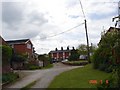
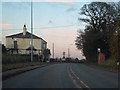
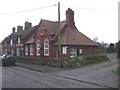
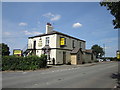
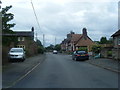
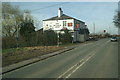
Photos of Dunham-on-the-Hill
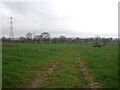
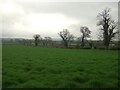
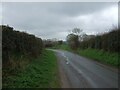
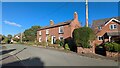
Area Information
Dunham-on-the-Hill is a compact built-up area spanning 29.6 hectares, offering a quiet, well-defined community in England. Its population, while not explicitly quantified, reflects a median age of 70, suggesting a predominantly older demographic. This area is characterised by a mix of residential properties and accessible amenities, making it suitable for those seeking a stable, low-maintenance lifestyle. The presence of Dunham Hill Primary School ensures families have a local educational option, while nearby rail stations provide links to surrounding towns. Daily life here is likely to be unhurried, with residents benefiting from a balance of local services and proximity to transport. The area’s small size means it is easy to navigate, with amenities within practical reach. For buyers, Dunham-on-the-Hill presents a chance to own a home in a setting that prioritises convenience and safety, though its appeal may be more pronounced for those preferring a mature community over a rapidly growing one.
- Area Type
- Built Up Area 250
- Area Size
- 29.6 hectares
- Population
- Not available
- Population Density
- Not available
Residents of Dunham-on-the-Hill have access to five retail outlets, including Spar and Tesco Frodsham, providing essential shopping options within reach. These stores likely cover basic needs such as groceries and daily supplies, reducing the need for long trips to larger centres. The area’s rail stations also serve as hubs for leisure and travel, connecting to nearby towns for more extensive shopping or dining. While the data does not mention parks or recreational facilities, the presence of multiple retail and transport options suggests a lifestyle that balances convenience with accessibility. The compact nature of the area means amenities are close to residential areas, supporting a low-effort, community-focused way of life. For those prioritising practicality, Dunham-on-the-Hill offers a mix of local services that cater to daily needs without requiring significant travel.
Amenities
Schools
Dunham Hill Primary School is the only named educational institution listed for the area, serving local families with primary education. The absence of secondary schools or other educational facilities means that students may need to travel to nearby towns for further schooling. This single school suggests a limited range of educational options, though it provides a direct service for younger children. For families prioritising proximity to schools, Dunham-on-the-Hill offers a primary-level option, but additional research would be required to determine the availability of secondary education. The lack of other schools in the data means no further details can be provided on the quality or Ofsted ratings of local educational institutions.
| Rank | A + A* % | School | Type | Entry gender | Ages |
|---|---|---|---|---|---|
| 1 | N/A | Dunham Hill Primary School | primary | N/A | N/A |
Explore more schools in this area
Go to Schools tabDemographics
The population of Dunham-on-the-Hill has a median age of 70, indicating a community skewed towards older adults. This age profile suggests a demographic where retirement is the primary life stage, with potential implications for local services and healthcare provision. Home ownership is high, at 74%, reflecting a stable housing market where most residents live in properties they own. The data does not specify household composition or ethnic diversity, but the overall population is described as "total," implying a broad mix. The absence of detailed figures on deprivation or diversity means these aspects cannot be assessed, but the high home ownership rate suggests a relatively secure financial environment for residents. For buyers, this demographic profile may align with those seeking a retirement-friendly location or a community with established, long-term residents.
Household Size
Accommodation Type
Tenure
Ethnic Group
Religion
Household Composition
Age
Household Deprivation
NS-SEC
Explore more demographic insights in this area
Go to Demographics tabPlanning
Planning Constraints
- Crime RiskLocked