Area Overview for Camerton
Photos of Camerton
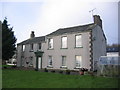
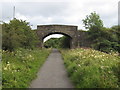
Area Information
Camerton is a civil parish covering an area of roughly 5.7 square kilometres, offering a distinct lifestyle away from the pressures of the wider city. The character of this settlement is defined by a strong sense of permanence and rootedness. You would find that the population here skews significantly towards older residents, creating a quiet environment rather than one of youthful bustle. The median age reaches seventy, indicating a community settled into retirement or later life stages. This demographic reality shapes the daily rhythm of the village, where pace is slower and interactions are likely to be neighbourhood-focused. Living in Camerton means navigating a compact space where every footstep brings you closer to a local landmark or a familiar face. The physical layout supports a traditional village feel, yet the specific age profile suggests you are entering a market dominated by long-term residents. You might encounter older cottages or substantial family homes that have stood for decades. The area does not cater to a young professional demographic or a high-density urban lifestyle. Instead, the environment offers seclusion and stability. If you are drawn to a setting where the evening streets are quiet and the pace of life has eased, Camerton presents that reality. The parish format ensures local governance remains intimate, while the total area constraints mean you experience the landscape without vast distances between locations.
- Area Type
- Parish
- Area Size
- 5.7 km²
- Population
- Not available
- Population Density
- Not available
Demographics
The community profile of Camerton tells a clear story of stability and age. Data shows that eighty-five percent of households in Camerton are owner-occupied. This figure confirms that the area functions primarily as a settlement for people who have established permanent tenure rather than those in the rental sector. The median age of seventy provides context for why this ownership rate is so high. You are looking at a neighbourhood where residents have likely lived in their homes for many years, passed down to family members, or purchased as a retirement base. The age demographics dictate the cultural tone and the types of local amenities that remain viable. With the most common age range centred on older adults, you will not find a population driven by student life or young families moving up the property ladder. The household composition reflects this static nature, suggesting smaller, established family units or individuals living alone. While specific data on ethnic diversity and religious affiliation is not detailed in the current records, the high rate of home ownership often correlates with demographic homogeneity in such rural parishes. Deprivation levels are not highlighted in the available assessments, yet the safety metrics provide a proxy for quality of life. The crime risk assessment rates as low, yielding a safety score of eighty-two out of a hundred. This high score indicates that living here involves minimal concern regarding anti-social behavior or theft. The demographic reality is one of a settled, older cohort who value security over vibrancy.
Household Size
Accommodation Type
Tenure
Ethnic Group
Religion
Household Composition
Age
Household Deprivation
NS-SEC
Explore more demographic insights in this area
Go to Demographics tabPlanning
Planning Constraints
- Flood RiskPremium
- Ramsar Wetland SitesPremium
- Area of Outstanding Natural BeautyPremium
- Protected Nature ReservePremium
- Protected WoodlandPremium