Area Overview for Croston
Photos of Croston
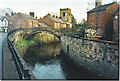
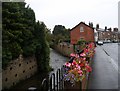
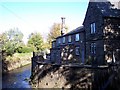
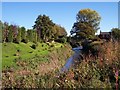
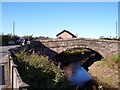
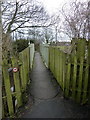
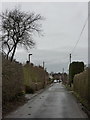
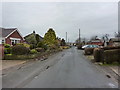
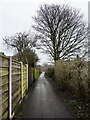
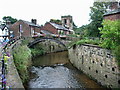
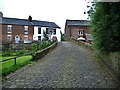
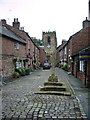
Area Information
Croston is a compact built-up area spanning 1.0 km², nestled in England. Its population is marked by a median age of 70, suggesting a community skewed towards older residents. This demographic profile shapes daily life, with a focus on established routines and local amenities. Homeownership is prevalent, with 78% of properties owned by residents, indicating a stable, long-term presence in the area. Living in Croston means proximity to essential services, including five retail outlets like Morrisons and Aldi, and five rail stations, including Croston Railway Station, offering easy access to nearby towns. The area’s character is defined by its practicality, with schools, shops, and transport networks within practical reach. While the community may lack the youthful energy of younger neighbourhoods, it offers a quiet, settled environment for those prioritising convenience and stability. For buyers seeking a low-maintenance lifestyle with reliable infrastructure, Croston provides a straightforward, no-frills option.
- Area Type
- Built Up Area 250
- Area Size
- 1.0 km²
- Population
- Not available
- Population Density
- Not available
Living in Croston grants access to a range of amenities within practical reach. Retail options include five shops, such as Morrisons Daily Croston 6 and Aldi Liverpool, ensuring everyday shopping needs are met. Rail stations like Croston Railway Station and Euxton Balshaw Lane Railway Station provide easy access to public transport, enhancing mobility for commuters. While the area lacks detailed data on parks or leisure facilities, the presence of multiple retail and transport hubs suggests a focus on convenience over expansive recreational spaces. The lifestyle in Croston is defined by its practicality, with residents able to manage daily tasks without long journeys. This makes it ideal for those prioritising accessibility and efficiency over large-scale amenities.
Amenities
Schools
Croston is served by several schools, including primary institutions such as Croston Methodist School, St Michael’s CofE School, and Trinity and St Michael’s VA CofE/Methodist Primary School, which holds an outstanding Ofsted rating. Bishop Rawstorne Church of England Language College and Bishop Rawstorne Church of England Academy, an academy with a good Ofsted rating, further diversify the educational options. The mix of primary schools and an academy provides families with choices, from faith-based education to state-run institutions. The presence of an outstanding-rated school underscores the area’s commitment to quality education, though the overall range of options is limited by the area’s small size. For families prioritising strong schooling, Croston offers a solid foundation, though proximity to secondary schools may require additional travel.
| Rank | A + A* % | School | Type | Entry gender | Ages |
|---|---|---|---|---|---|
| 1 | N/A | Croston Methodist School | primary | N/A | N/A |
| 2 | N/A | St Michael's CofE School | primary | N/A | N/A |
| 3 | N/A | Bishop Rawstorne Church of England Language College | primary | N/A | N/A |
| 4 | N/A | Trinity and St Michael's VA CofE/Methodist Primary School | primary | N/A | N/A |
| 5 | N/A | Bishop Rawstorne Church of England Academy | academy | N/A | N/A |
Explore more schools in this area
Go to Schools tabDemographics
Croston’s population has a median age of 70, placing it well above the national average. This suggests a community dominated by retirees and older residents, which influences local dynamics and services. Homeownership is high, with 78% of households owning their homes, reflecting a preference for long-term settlement over rental living. The data does not specify household composition or ethnic diversity, but the overall profile indicates a mature, stable population. The absence of detailed figures on deprivation or diversity means the area’s social fabric remains less defined in public records. For those considering Croston, the age profile implies a quieter, more conservative environment, with amenities tailored to older generations. This demographic may appeal to buyers seeking a retirement-friendly setting with minimal turnover and established community ties.
Household Size
Accommodation Type
Tenure
Ethnic Group
Religion
Household Composition
Age
Household Deprivation
NS-SEC
Explore more demographic insights in this area
Go to Demographics tabPlanning
Planning Constraints
- Crime RiskLocked