Area Overview for Clotton
Photos of Clotton
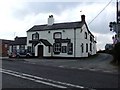

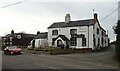
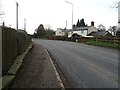

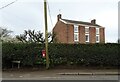


Area Information
Clotton is a compact built-up area in England, spanning 22.8 hectares. It is a place where daily life unfolds within a tight-knit, low-density setting, with a population skewed toward older residents, reflected in the median age of 70. The area’s character is shaped by its practical scale and proximity to nearby towns, making it a convenient base for those seeking a quieter lifestyle. Residents benefit from a blend of local services and transport links, with two railway stations—Mouldsworth and Delamere—offering access to broader regional networks. The community here is defined by its age demographic, with a significant proportion of the population in later life stages. While Clotton lacks the vibrancy of larger urban centres, its simplicity and accessibility cater to those prioritising stability and ease of movement. The area’s appeal lies in its balance of minimal sprawl and functional connectivity, ensuring residents can navigate both local amenities and wider destinations without excessive travel.
- Area Type
- Built Up Area 250
- Area Size
- 22.8 hectares
- Population
- Not available
- Population Density
- Not available
Clotton’s lifestyle is shaped by its proximity to essential retail and transport hubs. Within practical reach are shops such as Co-op Tarporley, Spar, and Co-op Kelsall, offering everyday groceries and convenience services. These outlets support a routine of local shopping, reducing the need for long trips. The two railway stations—Mouldsworth and Delamere—connect residents to nearby towns, enabling access to larger retail centres, healthcare facilities, and cultural amenities. While the area itself lacks expansive parks or leisure facilities, its compact size means residents can reach natural spaces or recreational areas in nearby settlements. The character of Clotton is defined by its simplicity: a place where daily life revolves around local shops, familiar faces, and reliable transport links. This makes it suitable for those prioritising ease of access over extensive leisure options.
Amenities
Schools
| Rank | A + A* % | School | Type | Entry gender | Ages |
|---|
Explore more schools in this area
Go to Schools tabDemographics
The population of Clotton is predominantly older, with a median age of 70, indicating a community where retirement and later-life living are central. This age profile suggests a demographic focused on established routines and limited demand for childcare or youth-oriented facilities. Home ownership is high at 78%, reflecting a stable, long-term resident base with fewer renters. The data does not specify household composition or accommodation types, but the overall figures imply a mix of family homes and single-occupancy properties. The area’s demographic homogeneity, with no detailed breakdown of ethnic or religious diversity, points to a community with limited cultural variation. While this may create a sense of familiarity, it also means fewer services tailored to diverse needs. The absence of specific deprivation data means quality of life remains unquantified, though the safety score and broadband connectivity suggest a baseline of functional infrastructure.
Household Size
Accommodation Type
Tenure
Ethnic Group
Religion
Household Composition
Age
Household Deprivation
NS-SEC
Explore more demographic insights in this area
Go to Demographics tabPlanning
Planning Constraints
- Crime RiskLocked