Area Overview for Marton
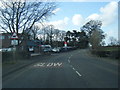
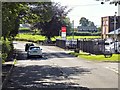
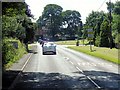
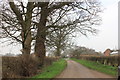
Photos of Marton
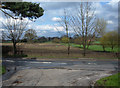
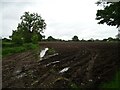
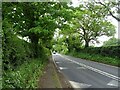
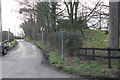


Area Information
Living in Marton means residing within a small, self-contained parish covering an area size of 8.9 square kilometres. This civil parish offers a quiet retreat that contrasts sharply with the pace of larger towns. You will find a settlement defined by stability rather than rapid change, a trait evident in the local demographics and housing stock. Daily life here revolves around local amenities rather than struggling for access to major hubs, creating a predictable routine for those who value a slower pace. The compact nature of the parish limits the distance to neighbours, fostering a community where everyone knows everyone else over decades. Prospective buyers should view Marton as a practical choice for those seeking a traditional village setting without the pressure of urban sprawl. The environment is free from major planning constraints that often complicate development elsewhere in the country. There are no Ramsar wetland sites or Areas of Outstanding Natural Beauty limiting future expansion on either side, which indicates the boundary of the built area is well-defined. Crime levels remain significantly below the national average, contributing to a sense of security that defines the daily experience. You are not dealing with a complex city infrastructure but rather a focused, manageable locality where services are directly accessible. This simplicity is the core of what makes buying a home here a straightforward decision for many families.
- Area Type
- Parish
- Area Size
- 8.9 km²
- Population
- Not available
- Population Density
- Not available
Demographics
The community profile in Marton is dominated by an older generation, with a median age reaching 70 years. This statistic shapes the character of the parish and influences the types of services available to residents. The most common age range is the total population, confirming the entire village skews towards retirement age rather than young families. Consequently, you will encounter a large number of empty nesters living independently or in shared retirement arrangements. Two thirds of those who do move to Marton eventually buy a house, as home ownership stands at 73 per cent of all households. This high level of tenure reflects a quiet area where people stay put for decades rather than trading up frequently for better amenities. Household composition in Marton mirrors this older demographic trend, with safety scores reflecting a low crime risk environment. The diversity in the population is minimal, matching the homogenous nature of many traditional rural parishes. Religion and ethnic group data do not highlight significant variations from the national pattern for this specific location. You are entering a market where the primary social unit consists of older couples rather than young professional sharers. This demographic stability means the character of the town will not change rapidly. Those seeking a dynamic, multicultural urban experience may find the pace too slow, but retirees will appreciate the calm, consistent society where neighbourly relationships are deep and longstanding.
Household Size
Accommodation Type
Tenure
Ethnic Group
Religion
Household Composition
Age
Household Deprivation
NS-SEC
Explore more demographic insights in this area
Go to Demographics tabPlanning
Planning Constraints
- Flood RiskLocked
- Ramsar Wetland SitesLocked
- Area of Outstanding Natural BeautyLocked
- Protected Nature ReserveLocked
- Protected WoodlandLocked
- Crime RiskLocked