Area Overview for Carnforth
Photos of Carnforth
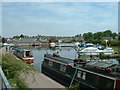
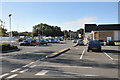
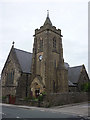
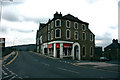
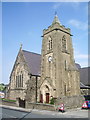



Area Information
Carnforth is a compact town of 1.9 square kilometres situated in England. It serves as a built-up area designed for residents seeking a specific local lifestyle within a defined boundary. Living in Carnforth means navigating a space where the physical environment is concentrated and accessible. The area functions as a distinct entity rather than a sprawling district, which dictates how daily needs are met. You will find that the town operates efficiently due to its size, minimising travel times between key locations. This compact nature supports a routine where most essential services remain within immediate reach. The identity of Carnforth is shaped by this singular concentration of homes and amenities. Residents adapt their schedules and habits to fit the layout of this 1.9 square kilometre settlement. The town does not expand indefinitely but maintains its character as a cohesive urban centre. You join a community defined by these clear geographical limits. Every facility and home exists within this small footprint, creating a self-contained environment. The boundaries of Carnforth mark the extent of the local economy and social interactions. This focus on a specific area influences the pace of life and the speed of communication between neighbours.
- Area Type
- Built Up Area 250
- Area Size
- 1.9 km²
- Population
- Not available
- Population Density
- Not available
Daily life in Carnforth centres on a small collection of amenities located within practical reach of most homes. You have access to five retail venues, including Co-op Carnforth, Booths Carnforth, and Aldi Carnforth. These specific shops provide your daily necessities for food and household goods. Convenience is high because the townhomebuyers are close to these store fronts. There are also five railway stations identified as nearby, such as Carnforth Railway Station, Silverdale Railway Station, and Bare Lane Railway Station. These transport hubs facilitate travel beyond the immediate town limits. You can rely on these stations for commuting or regular intercity trips. The proximity of Co-op, Booths, and Aldi means you can stock your home without a long journey. The railway options ensure that reaching wider destinations remains straightforward for residents. This blend of local retail and rail access defines the practical conveniences available to you.
Amenities
Schools
Families considering schools near Carnforth have access to a selection of educational institutions within the town. Carnforth Community Primary School holds a Good Ofsted rating and serves as a key local option. You can also find Carnforth Christ Church, Church of England, Voluntary Aided Primary School, which also carries a Good rating. For those seeking a Catholic education, Our Lady of Lourdes Catholic Primary School is located nearby. Carnforth High School operates in the area with an academy status. Note that listing data identifies Carnforth High School under both primary and academy classifications within the source information. This mix of state and faith-based primary providers offers choices for different family preferences. The presence of these specific named schools ensures that families have established options without needing to look far from the locality. Each institution listed contributes to the educational infrastructure of the 1.9 square kilometre area. You have direct access to these specific names and their associated types when making decisions for your children.
| Rank | School | Type | Entry gender | Ages |
|---|
Explore more schools in this area
Go to Schools tabDemographics
The community in Carnforth presents a clear age profile with a median age of 70. This figure indicates that the population skews significantly towards older residents. You are looking at a town where the majority of inhabitants fall into the senior demographic. The household composition reflects this age shift, suggesting families with young children are less common. Home ownership stands at 81 per cent, which confirms that most residents have purchased their properties. This high rate of ownership typically stabilises the neighbourhood as occupants stay put for longer periods. The accommodation types align with the needs of an older population, offering stability for long-term living. Diversity metrics are not explicitly detailed in the available figures, but the homogeneity of age suggests a settled community. The demographics show a society where retirement and longevity are central themes of daily life. You will encounter a demographic where individual properties often have been held across generations. The 81 per cent ownership rate implies a low turnover of tenants and a strong sense of residential permanence.