Area Overview for CA7 3GD
Photos of CA7 3GD
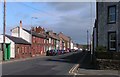
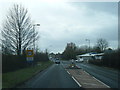
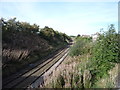
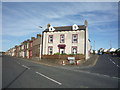
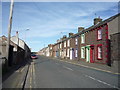
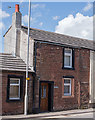
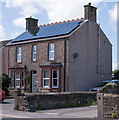
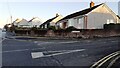
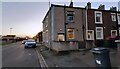
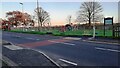
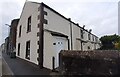
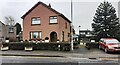
Area Information
CA7 3GD is a small residential postcode in north-west Cumbria, England, nestled between Maryport and Wigton along an ancient Roman road. With a population of 1,490 and a density of 264 people per square kilometre, it reflects a quiet, rural character. The area’s history is rooted in agriculture and 19th-century coal mining, which shaped its development. Today, it retains a tucked-away charm, with a population skewed toward adults aged 30–64 and a strong sense of community. Residents benefit from proximity to natural landscapes, though the area is more subdued than bustling urban centres. The postcode’s small size means it is tightly knit, with homes predominantly owner-occupied. While modern amenities are limited, the region’s historical sites—such as the medieval church of St Kentigern and remnants of former colliery villages—add cultural depth. Living here offers a slower pace of life, but those seeking vibrant city hubs may need to look further afield. The area’s low crime risk and excellent broadband connectivity make it appealing for those prioritising safety and digital access.
- Area Type
- Postcode
- Area Size
- Not available
- Population
- 1490
- Population Density
- 264 people/km²
The property market in CA7 3GD is characterised by a high rate of home ownership (72%) and a predominance of houses. This suggests a market skewed toward owner-occupied properties rather than rentals, with homes likely tailored to family living. The rural setting and small population mean the housing stock is limited, and buyers may need to consider nearby areas for more options. The absence of high-density housing or commercial developments reinforces the area’s quiet, low-key appeal. For those seeking a home, the focus is on individual properties rather than flats or shared spaces. The market’s stability is reflected in the low crime risk and minimal planning constraints, making it an attractive option for those prioritising safety and long-term investment. However, the limited supply of properties could mean competition for available homes, particularly for first-time buyers or those seeking specific features.
House Prices in CA7 3GD
No properties found in this postcode.
Energy Efficiency in CA7 3GD
The lifestyle in CA7 3GD is defined by practical amenities and a rural setting. Nearby, residents can access two retail outlets: Spar and Co-op Aspatria, providing essential shopping. The area’s historical character includes sites like the medieval church of St Kentigern and remnants of 19th-century colliery villages, offering cultural and historical interest. While the amenities are limited to basic needs, the quiet, low-density environment fosters a sense of tranquillity. The absence of large-scale leisure facilities means residents may need to travel for more extensive recreational options. However, the proximity to natural landscapes and the area’s historical sites provide opportunities for walking, cycling, or exploring local heritage. The convenience of nearby shops and the railway station balances practicality with the area’s rural charm, making it suitable for those valuing simplicity over urban vibrancy.
Amenities
Schools
Residents of CA7 3GD have access to two primary schools: Richmond Hill School and Beacon Hill Community School, both rated ‘good’ by Ofsted. These institutions cater to younger children, providing a solid foundation for education. The absence of secondary schools in the immediate area means students may need to travel to nearby towns for higher education. However, the presence of two primary schools with strong ratings offers families a reliable choice for early schooling. The ‘good’ Ofsted ratings suggest consistent quality in teaching and facilities, which is crucial for parents prioritising education. While the area lacks higher-level educational institutions, the proximity to Aspatria’s historical sites and natural landscapes could provide supplementary learning opportunities. Overall, the school mix supports families with young children but necessitates planning for secondary education elsewhere.
| Rank | School | Type | Entry gender | Ages |
|---|
Explore more schools in this area
Go to Schools tabDemographics
The population of CA7 3GD is 1,490, with a median age of 47 and the majority of residents aged 30–64. This suggests a mature, stable community with a focus on established households. Home ownership is high at 72%, indicating a strong preference for long-term residency over rental properties. The accommodation type is predominantly houses, which aligns with the area’s rural character and lower population density. The predominant ethnic group is White, reflecting the broader demographic trends of northern England. While specific data on deprivation is not provided, the high home ownership and low crime risk (77/100) suggest a relatively affluent and secure environment. The absence of significant diversity data means the community’s social fabric is largely homogenous, though this does not necessarily imply a lack of inclusivity. For families, the age profile indicates a mix of working-age adults and retirees, creating a balanced but not youthful demographic.
Household Size
Accommodation Type
Tenure
Ethnic Group
Religion
Household Composition
Age
Household Deprivation
NS-SEC
Explore more demographic insights in this area
Go to Demographics tabPlanning
Planning Constraints
- Flood RiskPremium
- Ramsar Wetland SitesPremium
- Area of Outstanding Natural BeautyPremium
- Protected Nature ReservePremium
- Protected WoodlandPremium