Area Overview for CA6 5YA
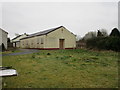
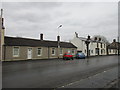
Photos of CA6 5YA
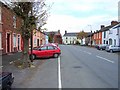
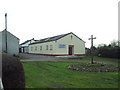


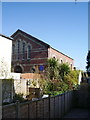
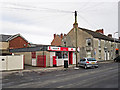
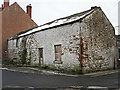
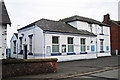
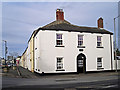
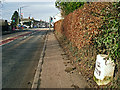
Area Information
CA6 5YA is a small, rural postcode area in Cumbria, England, encompassing parts of the town of Longtown and surrounding villages. With a population of 1,606 and a low density of 17 people per square kilometre, it reflects a quiet, spread-out residential character. The area sits within Arthuret civil parish, historically linked to the River Esk and River Lyne. Longtown, the main settlement, serves as a market town with a mix of agricultural and historical significance. The region has a rich past, including medieval battles and 19th-century industries like weaving and brickworks. Today, it retains a rural feel, with homes primarily in detached or semi-detached styles. Living here offers proximity to natural landscapes and a slower pace of life, though the small population means limited local services. The area’s charm lies in its blend of historical sites, such as St Michael’s church and Netherby Hall, alongside modern amenities like the Gretna Green railway station. It is a place for those seeking tranquillity, with a community rooted in tradition but connected to regional transport networks.
- Area Type
- Postcode
- Area Size
- Not available
- Population
- 1606
- Population Density
- 17 people/km²
The property market in CA6 5YA is characterised by high home ownership (73%) and a predominance of houses, reflecting a traditional, rural housing stock. This suggests a community where long-term residency is common, with properties likely to be semi-detached or detached. The small population and limited area mean the housing supply is constrained, making the market relatively niche. For buyers, this implies a focus on individual homes rather than rental properties, with fewer opportunities for investment in larger developments. The area’s rural nature means properties are likely to be spread out, with potential for larger gardens or land. However, the lack of major urban infrastructure nearby may limit appeal for those seeking proximity to cities. Prospective buyers should consider the small size of the area and its immediate surroundings, as the market is unlikely to offer a wide range of options. The stability of ownership and historical character of homes may attract buyers prioritising heritage and tranquillity over modern conveniences.
House Prices in CA6 5YA
No properties found in this postcode.
Energy Efficiency in CA6 5YA
Living in CA6 5YA offers a blend of rural tranquillity and access to small-town amenities. Nearby, residents can find five retail outlets, including Spar stores and M&S Gretna, providing basic shopping needs. The Gretna Green railway station offers regional travel options, while the A7 road connects to surrounding areas. Historically, Longtown has been a market town with a legacy of industries like weaving and brickworks, though today it retains a village-like character. Cultural and historical sites include St Michael’s church, Netherby Hall, and the Longtown Community Hall, offering spaces for social and cultural activities. The area’s low population density means a quieter lifestyle, but proximity to Longtown ensures some level of convenience. For those valuing heritage and nature, the surrounding landscapes and historical sites provide a backdrop to daily life, though major leisure facilities are limited to the immediate vicinity.
Amenities
Schools
| Rank | School | Type | Entry gender | Ages |
|---|
Explore more schools in this area
Go to Schools tabDemographics
The population of CA6 5YA has a median age of 47, with the majority aged between 30 and 64. This suggests a mature, stable community, likely with a significant proportion of long-term residents. Home ownership is high at 73%, indicating a strong presence of owner-occupied properties, which often correlates with long-term residency. The area is predominantly composed of houses, reflecting a traditional housing stock rather than flats or apartments. The predominant ethnic group is White, with no specific data provided on other demographics. The age profile and ownership figures suggest a community focused on family living and stability, with limited transient populations. The absence of detailed diversity statistics means the area’s social makeup remains largely unexplored in public data, though the historical and rural context implies a homogeneous demographic. This profile may influence local services, with amenities tailored to a middle-aged, settled population rather than younger families or elderly communities.
Household Size
Accommodation Type
Tenure
Ethnic Group
Religion
Household Composition
Age
Household Deprivation
NS-SEC
Explore more demographic insights in this area
Go to Demographics tabPlanning
Planning Constraints
- Flood RiskPremium
- Ramsar Wetland SitesPremium
- Area of Outstanding Natural BeautyPremium
- Protected Nature ReservePremium
- Protected WoodlandPremium