Area Overview for CA25 5WY
Photos of CA25 5WY
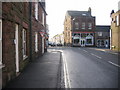

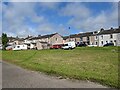
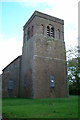

Area Information
Living in CA25 5WY places you within a specific residential cluster in Cleator Moor, a civil parish in Cumbria historically defined by its iron ore industry. This postcode covers a small population of 1,263 people, yet the area supports a density of 775 people per square kilometre, creating a lived-in feel without overwhelming urban sprawl. The neighbourhood sits within the ancient parish of Cleator, an area that transformed from bare moor into a densely populated industrial settlement during the Victorian era. You are situated in a location where the past is visible in the streetscape, with the town designated as a conservation area since 2001 to protect its 19th-century character. Daily life here involves navigating a community shaped by the arrival of Irish workers and the subsequent boom in haematite mining. The area is distinct from typical coastal towns because its core identity is rooted in industrial heritage rather than just seaside tourism. Despite the historical reliance on blast furnaces and steel works, the modern residential environment caters to a settled population. The layout of the housing often reflects the regimented nature of the industrial development, with clusters of homes that have stood for over a century. This specific postcode offers a connection to a tangible history, making it suitable for those who value a community with a deep, documented past rather than a transient holiday atmosphere.
- Area Type
- Postcode
- Area Size
- Not available
- Population
- 1263
- Population Density
- 775 people/km²
Homes in CA25 5WY constitute a primarily owner-occupied market, with 62% of households falling into this category. This figure places the area well above the national average for private sector home ownership, signalling a community that values stability and has the means to maintain long-term properties. The accommodation stock is defined by houses, which aligns with the historical development of the area as a town of terraced housing and larger family dwellings rather than a flat-led city centre. You are likely to encounter properties that range from Victorian terraces, reflecting the 1880s industrial expansion, to later conversions that adapt old workers' housing for modern living. Anyone looking at homes in this specific postcode cluster should appreciate the implications of the high ownership rate for local investment and property values. The small population of 1,263 means that listings in and immediately around CA25 5WY move differently than in major conurbations. The market here is not driven by speculative buy-to-let portfolios but by families and individuals seeking a footprint in a conservation area. This housing stock often comes with character features from the industrial era but requires maintenance standards that the current owner-occupier demographic clearly meet. The density of 775 people per square kilometre ensures you do not face the isolation of open moorland while retaining the privacy of a village-sized neighbourhood.
House Prices in CA25 5WY
No properties found in this postcode.
Energy Efficiency in CA25 5WY
Life in CA25 5WY is grounded in local amenities that are within practical reach of your home. You can visit Budgens Four, Co-op Cleator, or Budgens Crossfield for daily shopping needs, ensuring that supermarkets are accessible without a long drive. There are five retail venues noted as being nearest to this area, providing a reasonable selection of groceries and household goods. The area also benefits from five nearby rail stations, including Corkickle Railway Station, Whitehaven Railway Station, and St Bees Railway Station. This rail connectivity reduces the distance to the coast and larger services at Whitehaven, although you should check current timetables as specific journey times are not listed. The lifestyle here is defined by a balance of isolation and convenience offered by these specific venues. You will find yourself relying on the Co-op in Cleator for larger weekly shops while smaller items might be handled near the railway. The absence of a detailed list of dining or leisure facilities suggests that entertainment options are concentrated further afield or rely on the local conservation area parks and the Parish Church grounds for community events. Buying into this area means accepting a lifestyle where the primary shopping is done in the immediate vicinity, supported by the historical industrial charm of the town. If you enjoy walking to local services, the five noted amenities make the area functional for a standard household without requiring daily commutes to distant urban centres.
Amenities
Schools
Families living in CA25 5WY have access to St Patrick's Catholic Infant School, which is situated near the area and provides primary education for young children. This institution forms part of the local educational network, serving the youngest age groups within the postcode's small community. While this is the only primary provider explicitly listed for the immediate vicinity, it serves a vital function in supporting the 30-64 age range of the local population by educating their younger dependents. The availability of a local infant school reduces the need for early years transport to larger towns, fitting the lifestyle of a residential area with a median age of 47. The presence of a specific Catholic school reflects the historical influences of Cleator Moor, which acquired its nickname "Little Ireland" due to significant immigration following the Great Famine of the 1840s. This history is embedded in the local infrastructure, ensuring that religious and cultural continuity remains part of daily life for those raising children here. For families considering this area, the proximity to St Patrick's confirms that primary education is integrated into the local fabric. However, further education options for teenagers would extend beyond this single named entity, as the data only details the primary provision. The school type ensures a traditional, faith-based approach to early learning, which many parents in this owner-occupied sector may value for their children's upbringing within the neighbourhood.
| Rank | School | Type | Entry gender | Ages |
|---|
Explore more schools in this area
Go to Schools tabDemographics
The community in CA25 5WY is comprised primarily of adults, with the most common age range falling between 30 and 64 years old. The median age for residents is 47, indicating a mature demographic where families and established homeowners form the backbone of the population. Census data reveals that 62% of households are owned outright or through a mortgage, while the remaining 38% reside in the rental sector. This high rate of home ownership suggests a stable, long-term resident base rather than a transient population chasing temporary employment opportunities. Accommodation in this postcode consists almost exclusively of houses, reflecting the area's origins as a settlement of workers' housing and family estates rather than high-density blocks of flats. The predominant ethnic group in the neighbourhood is White, consistent with the demographic makeup of much of rural Cumbria. Statistics also show a life balance where the population skews away from the very young and the very old, a trait often found in towns recovering from industrial downturns. The settlement nature of the area, with no data suggesting large student populations, supports a quiet domestic routine. This demographic profile implies that the local shops and services cater to adults with established lifestyles, likely including retirees, working professionals, and families seeking space away from the Cumbrian coastal peaks.
Household Size
Accommodation Type
Tenure
Ethnic Group
Religion
Household Composition
Age
Household Deprivation
NS-SEC
Explore more demographic insights in this area
Go to Demographics tabPlanning
Planning Constraints
- Flood RiskPremium
- Ramsar Wetland SitesPremium
- Area of Outstanding Natural BeautyPremium
- Protected Nature ReservePremium
- Protected WoodlandPremium