Area Overview for Bolton (Bolton)
Photos of Bolton (Bolton)
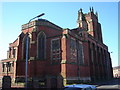
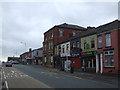
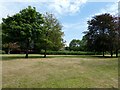
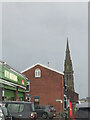
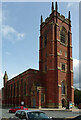
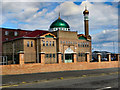
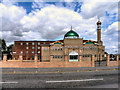
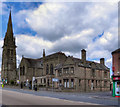
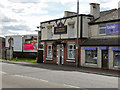
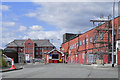
Area Information
Bolton is a large metropolitan borough in Greater Manchester with a distinct identity shaped by its history and geography. Covering an area of 39.0 km², this local authority district is densely populated with 81,792 residents. The borough combines the historic town of Bolton with several suburbs including Blackrod, Farnworth, Horwich, Kearsley, and Westhoughton, alongside parts of the West Pennine Moors. This political boundary was established on 1 April 1974 under the Local Government Act 1972, merging the former county borough of Bolton with seven urban districts. Since the abolition of the Greater Manchester Council in 1986, the area has operated as a unitary authority. You will find Bolton borders the districts of Bury, Salford, Wigan, Blackburn with Darwen, and Chorley. Living in Bolton offers a setting that blends urban infrastructure with green spaces on the moors. The high population density indicates a well-established community where daily life revolves around these interconnected towns. The area functions as a comprehensive local authority district providing services and governance for all these settlements. For those considering homes in this borough, you are looking at a substantial region defined by its administrative history and practical geography rather than a small, isolated village.
- Area Type
- District/Borough
- Area Size
- 39.0 km²
- Population
- 81792
- Population Density
- 2097 people/km²
Demographics
The community character of the area is defined by a significant proportion of older residents. The median age stands at 70, which is notably high compared to the national average. This demographic profile suggests that many families and younger individuals may be moving away, while older generations remain to build long-term roots. With a total population of over 81,000, the borough contains a community where life expectancy and settlement stability appear to be major factors. You will notice that the most common age range reflects this older population structure across the entire district. Home ownership is a central feature of daily life here, with 60% of homes owned by their occupants. Sixty per cent of households possess the security of owning their property outright or with a mortgage, indicating a strong tradition of staying put rather than renting short-term tenancies. The remaining 40% reside in rented accommodation. While specific breakdowns for household composition, predominant ethnic groups, and religious affiliations are not detailed in the current records, the high ownership rate signals a settled demographic. This environment supports residents who value stability and who have likely been building their lives within the borough for many years. The data confirms a mature society where long-term residency is the norm.
Household Size
Accommodation Type
Tenure
Ethnic Group
Religion
Household Composition
Age
Household Deprivation
NS-SEC
Explore more demographic insights in this area
Go to Demographics tabPlanning
Planning Constraints
- Crime RiskPremium