Area Overview for Blundellsands Ward
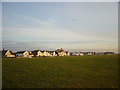
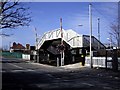
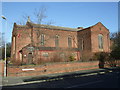
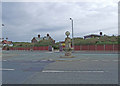
Photos of Blundellsands Ward

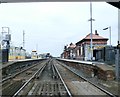
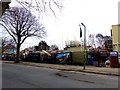
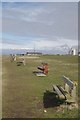
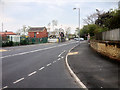
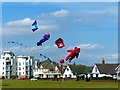
Area Information
Blundellsands Ward sits within Sefton borough in England, covering an area of 9.2 square kilometres with a total population of 1,366. The ward is characterised by low population density, standing at just 149 people per square kilometre. This sparse distribution suggests a quiet living environment with significant open spaces between homes. You live in an area where daily life moves at a slower pace compared to densely populated urban centres. The small total population means local services operate at a smaller scale, which often results in less traffic congestion but potentially fewer local amenities within the ward boundaries. Living in Blundellsands Ward offers a distinct residential experience defined by its size and spread. The vast majority of residents own their homes, creating a stable community structure where people have long-term ties to the location. This high level of ownership frequently correlates with a settled neighbourhood atmosphere. You likely find fewer transient tenants and more families or individuals who have planted roots in the area. The ward does not struggle with housing shortages or extreme density issues, allowing for a lifestyle focused on space and tranquility. Potential buyers looking for homes in this specific ward should expect a market driven by owner-occupiers rather than a high volume of available rentals. The physical footprint of the ward includes environmental features that influence local planning and day-to-day living. While there are no areas of outstanding natural beauty, the presence of protected nature reserves indicates an environment where conservation plays a role in how the land is managed. These factors combine to create a ward that values stability and existing environmental assets over rapid commercial development. Residents here benefit from the insulation provided by a low-density community, though they must also navigate the specific environmental constraints present in the local landscape.
- Area Type
- District Borough Unitary Ward
- Area Size
- 9.2 km²
- Population
- 1366
- Population Density
- 149 people/km²
Demographics
The community of Blundellsands Ward is defined by an exceptionally older demographic profile. The median age stands at 70 years, placing this ward well above the national average for population age. While specific data breakdowns for the most common age range are recorded as total, the high median age clearly indicates that the ward is populated primarily by retirees or older adults. This age structure shapes the social fabric of the area, likely resulting in community focus groups suitable for senior interests and quieter social environments. Home ownership in Blundellsands Ward reaches 80 per cent of households. This statistic confirms that the area is overwhelmingly an owner-occupied neighbourhood rather than a rental hub. Such high ownership rates typically imply that local children have grown up in the same homes, fostering strong intergenerational ties within the community. The dominance of owner-occupiers often leads to slower property turnover and a more consistent neighbourhood character over time. You do not need to worry about high vacancy rates or frequent moves disrupting local stability. The dataset provided contains limited information regarding household composition, accommodation types, predominant ethnic groups, and religious affiliation. Despite these missing specifics, the 80 per cent ownership figure provides a clear picture of housing tenure. The low population density of 149 people per square kilometre further suggests that housing stock is spread out rather than concentrated in high-rise blocks. Buyers can infer from the high ownership rate that detached or semi-detached properties likely form the majority of the housing stock. The demographic focus remains firmly on an older population enjoying the stability of owning property in a spacious, low-density environment.
Household Size
Accommodation Type
Tenure
Ethnic Group
Religion
Household Composition
Age
Household Deprivation
NS-SEC
Explore more demographic insights in this area
Go to Demographics tabPlanning
Planning Constraints
- Flood RiskPremium
- Ramsar Wetland SitesPremium
- Area of Outstanding Natural BeautyPremium
- Protected Nature ReservePremium
- Protected WoodlandPremium
- Crime RiskPremium