Area Overview for BL1 1HJ
Photos of BL1 1HJ
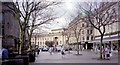
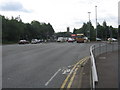
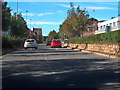
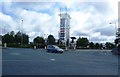
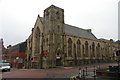
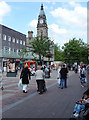
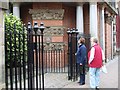
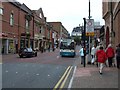
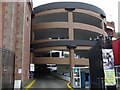
Area Information
Living in BL1 1HJ means inhabiting a compact, densely populated postcode in Bolton, Greater Manchester. The area covers just 1,129 square metres, yet it holds 2,064 residents, making it one of the most densely populated places in England. This small cluster of homes is part of a broader urban fabric, with proximity to Queen’s Park, a historic Victorian park established in 1866. The area’s character is shaped by its proximity to retail hubs like Morrisons Bolton and Aldi Halliwell, as well as transport links including Bolton Railway Station and multiple Metro stops. While the community is small, it is served by a range of amenities, though schools in the immediate vicinity cater to specialist educational needs rather than mainstream primary or secondary education. The high population density and compact size mean that daily life here is tightly woven, with residents relying on nearby infrastructure for shopping, travel, and leisure. The area’s history as part of Bolton’s 19th-century development adds a layer of heritage, though modern challenges such as high crime rates must be weighed against its convenience and connectivity.
- Area Type
- Postcode
- Area Size
- 1129 m²
- Population
- 2064
- Population Density
- 2436 people/km²
The property market in BL1 1HJ is defined by a low home ownership rate of 33%, suggesting that rental properties dominate the housing stock. The area’s accommodation type is primarily houses, which is atypical for a densely populated urban postcode, indicating a possible mix of older, larger homes or semi-detached properties. This combination of high density and house-based housing suggests a unique market dynamic, where limited space is paired with larger individual units. For buyers, this could mean competition for a small number of available properties, particularly as the area is compact and lacks expansion potential. The high population density may also influence property values, with demand potentially outstripping supply. However, the low home ownership rate implies that many residents are renters, which could affect the stability of the market. Prospective buyers should consider the area’s small size and the potential for limited housing options when evaluating BL1 1HJ as a long-term investment.
House Prices in BL1 1HJ
No properties found in this postcode.
Energy Efficiency in BL1 1HJ
Living in BL1 1HJ grants access to a range of nearby amenities, including retail outlets like Morrisons Bolton, Iceland Bolton, and Aldi Halliwell, which cater to everyday shopping needs. The area’s proximity to rail and Metro stations—such as Bolton Railway Station and Bury Bolton Street—ensures easy access to transport networks, facilitating travel to work, schools, or leisure activities. While the postcode itself is small, its location near Queen’s Park—a historic Victorian park with features like duck ponds, tennis courts, and a cenotaph—offers recreational opportunities. The park’s heritage and amenities provide a green space for relaxation, though it lies just outside the immediate postcode boundary. Overall, the lifestyle in BL1 1HJ blends urban convenience with limited natural spaces, requiring residents to balance proximity to services with the need to venture slightly further for more expansive recreational options.
Amenities
Schools
The schools nearest to BL1 1HJ include the Re-Integration Unit, Short Term Reintergration PRU, and Bolton Community, all categorised as “other” types. These institutions are not mainstream primary or secondary schools but are likely to serve specialist educational needs, such as those for students with complex learning requirements or those requiring reintegration support. The absence of traditional schools in the immediate vicinity may pose challenges for families seeking a broad range of educational options. For residents prioritising conventional schooling, proximity to nearby schools in Bolton or surrounding areas may be necessary. The mix of school types reflects a focus on targeted support rather than general education, which could be a consideration for parents evaluating the area’s suitability for their children’s schooling.
| Rank | School | Type | Entry gender | Ages |
|---|
Explore more schools in this area
Go to Schools tabDemographics
BL1 1HJ has a median age of 47, with the majority of residents aged between 30 and 64. This suggests a community skewed toward middle-aged adults, likely with established careers and families. Home ownership in the area is relatively low at 33%, indicating that a significant portion of the population rents their homes. The predominant accommodation type is houses, which is unusual for a densely populated urban postcode, hinting at a mix of older properties and possibly smaller family homes. The predominant ethnic group is White, though no specific breakdown of diversity is provided. The area’s high population density—1.8 million people per square kilometre—raises questions about living conditions, though it also underscores the compact nature of the community. For residents, this density means proximity to amenities but may also contribute to a sense of overcrowding or limited private space. The age profile suggests a stable demographic, with fewer young families or retirees compared to other areas.
Household Size
Accommodation Type
Tenure
Ethnic Group
Religion
Household Composition
Age
Household Deprivation
NS-SEC
Explore more demographic insights in this area
Go to Demographics tabPlanning
Planning Constraints
- Flood RiskPremium
- Ramsar Wetland SitesPremium
- Area of Outstanding Natural BeautyPremium
- Protected Nature ReservePremium
- Protected WoodlandPremium