Area Overview for BB5 1QL
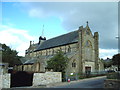
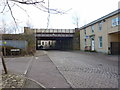
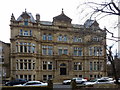
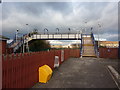
Photos of BB5 1QL
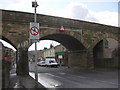
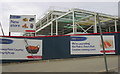
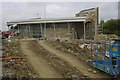
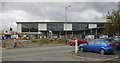
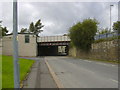
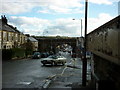
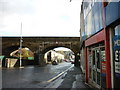
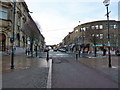
Area Information
Living in BB5 1QL means being part of a small, tightly knit residential cluster in Blackburn with Darwen, Lancashire. With a population of 1,710, this area reflects the character of Blackburn, a town historically shaped by its industrial past in cotton manufacturing. The community is centred around Blackburn’s town core, with access to landmarks like Blackburn Town Hall and Corporation Park, a 50-acre public space established in 1857. Daily life here is influenced by the town’s mix of historic architecture and modern amenities. Residents benefit from proximity to rail services, including Accrington and Church & Oswaldtwistle stations, and nearby retail hubs like Tesco and Asda. The area’s compact size means amenities are within practical reach, while its location in the North West region connects it to broader networks. BB5 1QL’s appeal lies in its balance of local charm and practicality, though its small scale means it is not suited to those seeking expansive housing options. The area’s demographic profile, dominated by adults aged 30–64, suggests a community focused on stability and established living.
- Area Type
- Postcode
- Area Size
- Not available
- Population
- 1710
- Population Density
- 3411 people/km²
The property market in BB5 1QL is characterised by a 35% home ownership rate, with houses being the primary accommodation type. This suggests a mix of owner-occupied and rental properties, though the relatively low home ownership rate indicates a significant portion of the housing stock is available for rent. The prevalence of houses may reflect the area’s suburban layout, offering more space than apartments. However, the small size of the postcode area means the housing stock is limited, potentially leading to competition among buyers. For those considering purchase, the market may present opportunities in established homes, though the low ownership rate could signal a reliance on private rentals. The area’s proximity to Blackburn’s town centre and rail links may enhance its appeal, but buyers should consider the limited scale of the area when evaluating long-term value or future development prospects.
House Prices in BB5 1QL
No properties found in this postcode.
Energy Efficiency in BB5 1QL
Life in BB5 1QL is shaped by its proximity to a range of amenities within walking or short driving distance. Retail options include major supermarkets like Tesco Accrington, Farmfoods Milnshaw, and Asda Accrington, ensuring everyday shopping needs are met. The area’s rail stations, such as Accrington and Church & Oswaldtwistle, provide access to broader regional networks. Parks and green spaces are also accessible, with Corporation Park and Queens Park offering recreational opportunities. These spaces, developed in the 19th century, reflect the town’s historical investment in public areas. The character of daily life is influenced by the mix of historic buildings and modern facilities, creating a blend of tradition and convenience. Residents benefit from a compact, walkable environment where local shops, transport links, and green spaces coexist. While the area is small, its amenities are well-integrated, supporting a lifestyle that prioritises accessibility and community engagement.
Amenities
Schools
| Rank | School | Type | Entry gender | Ages |
|---|
Explore more schools in this area
Go to Schools tabDemographics
The population of BB5 1QL is 1,710, with a median age of 47. The most common age group is adults aged 30–64, indicating a mature, settled community. Home ownership here is relatively low at 35%, suggesting a higher proportion of renters compared to national averages. The predominant accommodation type is houses, which may reflect the area’s suburban or semi-rural character. The dominant ethnic group is the Asian community, contributing to the area’s cultural diversity. This demographic profile implies a population that prioritises stability over mobility, with fewer young families or students. The lower home ownership rate may impact local investment and property values, while the age distribution suggests a demand for services catering to middle-aged residents, such as healthcare and leisure facilities. The community’s composition also means schools and amenities must serve a specific demographic, which could influence local infrastructure planning.
Household Size
Accommodation Type
Tenure
Ethnic Group
Religion
Household Composition
Age
Household Deprivation
NS-SEC
Explore more demographic insights in this area
Go to Demographics tabPlanning
Planning Constraints
- Flood RiskPremium
- Ramsar Wetland SitesPremium
- Area of Outstanding Natural BeautyPremium
- Protected Nature ReservePremium
- Protected WoodlandPremium