Area Overview for Barrow-in-Furness
Photos of Barrow-in-Furness
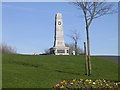
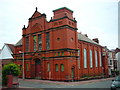
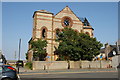
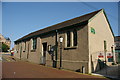
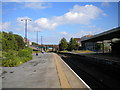

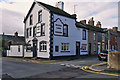
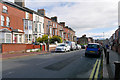
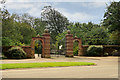
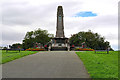
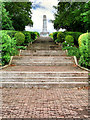
Area Information
Barrow-in-Furness covers a built-up area of 16.4 km² and holds a population of 12,653. The density reaches 773 people per square kilometre, creating a compact residential environment. Living in Barrow-in-Furness means navigating a town where space is limited but communities are close-knit. This locality sits in England and functions as a significant centre for the northern counties. Residents here often rely on local infrastructure that serves the entire population efficiently. The area is defined by its physical boundaries and the ways people move through them on a daily basis. Daily life involves interaction with a community that shares the same small footprint. Prospective buyers should consider how this population density influences public transport and street life. The town feels distinct because its scale forces a certain rhythm to routine activities. Families visiting homes in Barrow-in-Furness will notice a direct connection between their address and the wider town centre. This location provides a grounded experience compared to sprawling metropolitan zones. You will find that the population numbers reflect a settled community rather than a transient workforce. The area size ensures that everything from local shops to main transport links is accessible without long commutes. Understanding the character of this 16.4 km² zone helps you gauge whether it suits your lifestyle needs.
- Area Type
- Built Up Area 250
- Area Size
- 16.4 km²
- Population
- 12653
- Population Density
- 773 people/km²
Daily life in Barrow-in-Furness is supported by a range of accessible amenities. Local retail options include Tetco Rawlinson, Co-op Ainslie, and Aldi Newbarns Barrow-in. These superstores provide your weekly groceries and essential shopping needs within practical reach. For travel, four railway stations and Barrow Walney Island Airport offer efficient departure points. You can also take the Roa Island Ferry Landing or Piel Island Ferry Landing for coastal excursions. The presence of these specific venues ensures you do not need to travel far for sustenance or transport. Walking distance shops like Tedco Rawlinson and Co-op Ainslie reduce dependence on private vehicles. Families with children benefit from the proximity of major retailers and school stops. Commuters utilise the various railway stations to maintain jobs outside the town. Residents also have access to the airport for occasional flights without needing a trip into a larger city. This concentration of amenities defines the convenience of living in Barrow-in-Furness. You will find your food, transport, and daily services clustered nearby. The variety of ferry landings adds a unique leisure element accessible from your doorstep. High street shopping at Tesco and Co-op locations provides a familiar routine for many locals. This localised network of shops and stations creates a self-contained lifestyle. Residents enjoy a blend of practical necessity and coastal connectivity in one small urban zone.
Amenities
Schools
Several educational facilities serve the children and young people of Barrow-in-Furness. Brisbane Park Infant School operates as a primary school and holds a good Ofsted rating, providing quality early education for local children. Priory Grove Infant School also functions as a primary institution, forming part of the local catchment network. For younger children, Bram Longstaffe Nursery School and Hindpool Nursery School offer early years care to prepare them for the classroom environment. Additionally, Newbridge House PRU serves as another educational provision within the area. This mix of specific facilities means families have immediate access to registered schools without travelling far. The presence of multiple infant schools suggests a developed local curriculum focused on early learning. Nursery options are available at Bram Longstaffe and Hindpool, ensuring parents can secure childcare close to their homes in Barrow-in-Furness. The single primary school with a good rating offers a clear quality benchmark for prospective families. The distribution of these schools reflects the demographic makeup of the town. You will find that school choices are concentrated within the town limits rather than requiring daily long-distance travel. This setup supports working parents and those living in flats or attached homes where space for transporting children is limited. The range of institutions from nursery to PRU covers the spectrum of childhood education needs. Families evaluating schools near Barrow-in-Furness will have Brisbane Park and Priory Grove as key options for primary education.
| Rank | School | Type | Entry gender | Ages |
|---|
Explore more schools in this area
Go to Schools tabDemographics
The community profile in Barrow-in-Furness shows a distinct age pattern. The median age stands at 70 years, which places this among the oldest populations in the region. Most of the residents fall into the older age brackets, shaping the social fabric of the neighbourhood. You will see a community driven by long-term inhabitants rather than young professionals or large families. Homeownership rates in Barrow-in-Furness sit at 71%. This high percentage indicates that the majority of households are owner-occupied. Such a high rate of ownership typically reflects long-staying families and retirees who have remained in the area for decades. The household composition data shows total figures, confirming that these statistics represent the entire resident base without segregation. Accommodation types follow a similar total reporting structure, meaning the housing stock serves a broad demographic range. Ethnic diversity and religious affiliation data are recorded as total figures for the area. This approach captures the full picture of life in Barrow-in-Furness without isolating specific cultural metrics. The population density of 773 people per km² supports these demographic trends by concentrating residents into a manageable urban space. Knowing that three quarters of people own their homes gives you insight into property stability and local sentiment. This demographic reality defines the everyday interactions you will experience when choosing to live here.