Area Overview for Aspatria
Photos of Aspatria
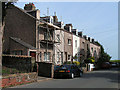
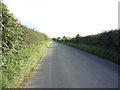
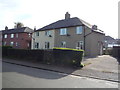
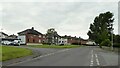





Area Information
Aspatria is a compact built-up area in England, covering just 1.1 km². Its small size means the community is tightly knit, with a population skewed toward older residents, many of whom are likely long-term residents. The area’s character is defined by its modest scale and the presence of essential amenities within walking or short driving distance. Homeownership rates here are 68%, suggesting a stable population with a strong sense of local attachment. Daily life in Aspatria is practical and low-key, with no grand urban features but reliable access to basic services. The railway station offers connectivity to nearby towns, while two nearby primary schools provide education for younger families. For those prioritising safety and simplicity, Aspatria’s low crime risk and average broadband speeds make it a viable option. However, its limited size and older demographic mean it’s not a hub for nightlife or cultural amenities. Prospective buyers should consider whether the quiet, established nature of the area aligns with their lifestyle needs.
- Area Type
- Built Up Area 250
- Area Size
- 1.1 km²
- Population
- Not available
- Population Density
- Not available
Aspatria’s amenities include two retail outlets: Spar and Co-op Aspatria, offering essential shopping for groceries and daily needs. The railway station provides access to nearby towns, though the specific destinations are not listed. The lack of detailed data on leisure or recreational facilities means the area’s lifestyle options are limited to practical necessities. For residents, the proximity to basic shops and the railway station ensures convenience for routine errands and travel. However, those seeking parks, cafes, or cultural attractions may need to travel further afield. The area’s focus on functional amenities aligns with its older demographic, prioritising accessibility over vibrancy.
Amenities
Schools
Aspatria is served by two primary schools: Richmond Hill School and Beacon Hill Community School, both of which hold a ‘good’ Ofsted rating. These institutions provide education for younger children in the area, though no secondary schools are listed in the data. The presence of two primary schools suggests a focus on early education, which may be sufficient for families with children under 11. However, parents of older children may need to look beyond Aspatria for secondary schooling. The ‘good’ ratings indicate that the schools meet national standards, but the lack of detailed performance metrics means buyers cannot assess academic outcomes beyond the Ofsted classification.
| Rank | School | Type | Entry gender | Ages |
|---|
Explore more schools in this area
Go to Schools tabDemographics
Aspatria’s population has a median age of 70, indicating a community dominated by older adults. This suggests a retirement-focused demographic, with many residents likely to be retired or semi-retired. The home ownership rate of 68% reflects a mix of long-term residents and those who have settled in the area for its stability. However, the data does not specify household composition or accommodation types, so it’s unclear whether the area has a high proportion of single-person households or multi-generational families. The lack of detailed diversity metrics means the ethnic and religious makeup of the population remains unspecified. For buyers considering Aspatria, the older demographic may influence local services and amenities, which appear tailored to a mature population rather than younger families.
Household Size
Accommodation Type
Tenure
Ethnic Group
Religion
Household Composition
Age
Household Deprivation
NS-SEC
Explore more demographic insights in this area
Go to Demographics tabPlanning
Planning Constraints
- Crime RiskPremium