Area Overview for Aintree
Photos of Aintree
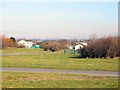
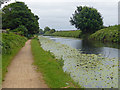
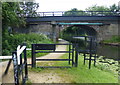
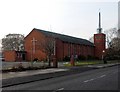
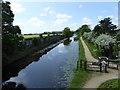

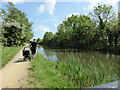
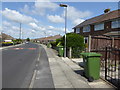
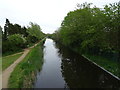
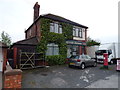
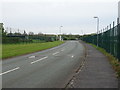
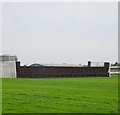
Area Information
Living in Aintree offers a compact, well-connected urban experience within the larger Liverpool conurbation. Covering 1.7 km², the area is small but densely populated, with a median age of 70 suggesting a community skewed toward older residents. Despite its size, Aintree benefits from proximity to key transport links and retail hubs. Residents can access multiple railway stations, including Aintree and Fazakerley, which provide regular services to Liverpool and beyond. The area’s digital connectivity is strong, with a broadband score of 98 and mobile coverage of 84, supporting both work and leisure. Aintree’s charm lies in its practicality: it balances the convenience of urban living with the quietude of a smaller, established neighbourhood. While it lacks the sprawling green spaces of larger cities, its proximity to Liverpool’s cultural and economic heart means residents have easy access to amenities, ferries, and retail. For those prioritising ease of movement and reliable infrastructure, Aintree presents a straightforward, no-frills option. However, its demographic profile and limited local facilities may appeal more to retirees or those seeking a simpler lifestyle.
- Area Type
- Built Up Area 250
- Area Size
- 1.7 km²
- Population
- Not available
- Population Density
- Not available
Aintree’s lifestyle is defined by its proximity to retail, transport, and maritime links. Within walking or short driving distance are five retail outlets, including Morrisons Daily, M&S Aintree, and Tesco Aintree, offering everyday shopping needs. The area’s rail stations provide access to Liverpool’s cultural and economic hubs, while nearby ferry terminals in Liverpool—such as the Liverpool Pier Head and Belfast terminals—open up opportunities for travel to the Isle of Man, Dublin, and Belfast. The absence of detailed data on parks or leisure facilities means these are not highlighted, but the area’s practicality is evident in its amenities. Residents can enjoy a mix of retail therapy, transport convenience, and maritime connectivity, though the lack of green spaces or recreational facilities may be a drawback for those seeking a more leisure-focused lifestyle.
Amenities
Schools
Aintree has two primary schools within its vicinity: Aintree Davenhill Primary School and Holy Rosary Catholic Primary School. Both are rated ‘good’ by Ofsted, offering families a choice of educational settings. The presence of two primary schools suggests a focus on early education, though secondary options are not listed in the data. This may require families to look beyond Aintree for comprehensive schooling. The schools’ ratings indicate a baseline of quality, but parents should verify if the curriculum and facilities align with their needs. The mix of a state and Catholic school provides some diversity in educational philosophy, though the area’s limited school options could be a drawback for those prioritising a full range of educational institutions.
| Rank | School | Type | Entry gender | Ages |
|---|
Explore more schools in this area
Go to Schools tabDemographics
Aintree’s population is predominantly older, with a median age of 70, reflecting a community where retirement is the norm. Home ownership is high at 83%, indicating a stable, long-term resident base. The accommodation types and household compositions are not specified, but the data suggests a mix of family and single-person households. The area’s demographic profile implies a lower demand for childcare services or student housing, which may influence local amenities. While the predominant ethnic group and religious breakdown are not detailed, the data does not indicate significant diversity or deprivation metrics. This demographic structure means the area is less likely to cater to young professionals or growing families, instead serving those prioritising stability and proximity to urban services. The high home ownership rate also suggests limited rental stock, which could affect availability for buyers seeking investment opportunities.
Household Size
Accommodation Type
Tenure
Ethnic Group
Religion
Household Composition
Age
Household Deprivation
NS-SEC
Explore more demographic insights in this area
Go to Demographics tabPlanning
Planning Constraints
- Crime RiskPremium