Area Overview for Abbeytown
Photos of Abbeytown
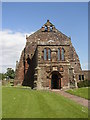
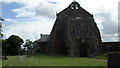
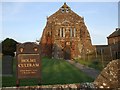
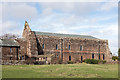
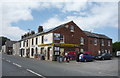
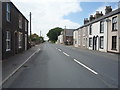


Area Information
Abbeytown is a compact built-up area spanning 30.7 hectares, nestled in England. Its population reflects a predominantly older demographic, with a median age of 70, suggesting a community shaped by long-term residents. The area’s character is defined by its practical, low-key appeal, with 80% of homes owner-occupied, indicating a stable, settled population. Daily life in Abbeytown is rooted in proximity to essential services, from retail outlets to rail links, offering a balance between convenience and tranquillity. The presence of Holm Cultram Abbey CofE Primary School, rated good by Ofsted, adds to the area’s appeal for families. While Abbeytown lacks the vibrancy of larger towns, its simplicity and accessibility make it a viable option for those seeking a quieter, well-connected living environment. The area’s compact size means amenities are within practical reach, and its rail connections to Wigton and Aspatria provide links to nearby towns. For buyers prioritising stability and ease of access, Abbeytown presents a straightforward, no-frills alternative to busier urban centres.
- Area Type
- Built Up Area 250
- Area Size
- 30.7 hectares
- Population
- Not available
- Population Density
- Not available
Abbeytown’s lifestyle is shaped by its proximity to essential retail and transport hubs. Within practical reach are five retail outlets, including Spar Silloth, Co-op Silloth, and Co-op Wigton, providing access to everyday shopping needs. The area’s rail connections to Wigton and Aspatria add convenience for commuting or travel beyond the immediate vicinity. While the data does not mention parks or leisure facilities, the presence of multiple shops and rail links suggests a practical, no-frills approach to daily life. The compact nature of Abbeytown means amenities are not distant, though the absence of detailed information on recreational spaces or dining options leaves gaps in understanding the area’s social offerings. For residents, the focus is on accessibility and simplicity, with the local shops and rail stations forming the backbone of daily routines.
Amenities
Schools
The nearest school to Abbeytown is Holm Cultram Abbey CofE Primary School, a primary institution with a good Ofsted rating. This school serves the local community, offering a foundation for young learners in the area. The absence of secondary schools or other educational institutions in the immediate vicinity means families may need to consider commuting for further education. However, the presence of a well-rated primary school is a positive factor for those prioritising early education quality. The single school listed in the data suggests a limited range of options, but its good rating indicates a reliable standard of teaching. For parents, this school’s proximity and performance could be a decisive factor in choosing Abbeytown as a place to live.
| Rank | School | Type | Entry gender | Ages |
|---|
Explore more schools in this area
Go to Schools tabDemographics
Abbeytown’s population is predominantly older, with a median age of 70, reflecting a community where long-term residents outnumber younger families. The data shows 80% home ownership, a figure that underscores the area’s stability and suggests a low turnover of properties. Household composition and accommodation types are not specified, but the high ownership rate indicates a mature demographic with established living patterns. The absence of specific figures on diversity or deprivation means the area’s social fabric remains opaque in detail, though the low crime risk and practical amenities suggest a cohesive, low-stress environment. For prospective buyers, this demographic profile implies a community focused on comfort and familiarity rather than rapid change or youthful dynamism. The lack of detailed data on ethnicity or religion means broader cultural aspects remain unexplored, but the existing metrics paint a picture of a settled, age-focused population.
Household Size
Accommodation Type
Tenure
Ethnic Group
Religion
Household Composition
Age
Household Deprivation
NS-SEC
Explore more demographic insights in this area
Go to Demographics tabPlanning
Planning Constraints
- Crime RiskPremium