Area Overview for Woodhorn
Photos of Woodhorn
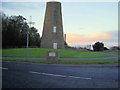
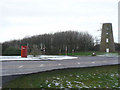
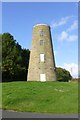

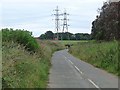
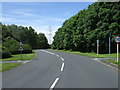



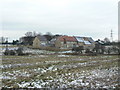
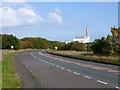
Area Information
Woodhorn is a distinct built-up area situated in England, covering a total footprint of 48.0 hectares. This compact size defines a community that feels walkable yet remains integrated into the wider regional landscape. Living in Woodhorn offers a specific character shaped by its physical constraints, fostering a sense of locality among residents. The area functions as a residential hub within a larger townscape, providing a grounded experience for those seeking a specific scale of community life. You should expect daily routines to revolve around close-quarter living where neighbours are often within sight. The environment supports a standard of suburban existence, balancing the need for personal space with the convenience of shared amenities. This location serves as a functional node for commuters and families alike. The area's identity is rooted in its status as a settled community rather than a sprawling development. Prospective buyers searching for homes in Woodhorn will find an established environment that prioritises established patterns over rapid change. The 48-hectare boundary creates a clear perimeter, ensuring that the town centre and surrounding streets remain identifiable and accessible. Your daily life here involves navigating a focused footprint where distances to key services are short. This practical layout underpins the rhythm of living in this specific locality.
- Area Type
- Built Up Area 250
- Area Size
- 48.0 hectares
- Population
- Not available
- Population Density
- Not available
Your access to daily conveniences in Woodhorn is practical, with several key amenities located within easy reach. For shopping, you are close to three major retailers including Co-op Ellington, Lidl Hirst, and Morrisons Daily Newbiggin. These stores provide everything from groceries to household essentials without the need for long journeys. Retail options are sufficient for most weekly needs, embedding the supermarkets into your daily rhythm. Beyond local shops, transport links are supported by five railway stations, including the Widdrington Railway Station and other local stops. This rail infrastructure facilitates travel to larger cities and serves as a primary mode of transport for many residents. The presence of multiple stations suggests good connectivity for commuters leaving Woodhorn for work elsewhere. Leisure and leisure activities are influenced by the built environment, though specific parks or leisure centres are not detailed in the data. You will find that your lifestyle revolves around these accessible commercial hubs and transport nodes. The proximity of these facilities means you can manage your weekly shop and catch a train without unnecessary delays. Living in Woodhorn offers a lifestyle rooted in convenience and direct access to essential services. This practical arrangement reduces the time spent travelling, allowing more time for personal pursuits within the 48-hectare boundary.
Amenities
Schools
| Rank | School | Type | Entry gender | Ages |
|---|
Explore more schools in this area
Go to Schools tabDemographics
The community profile of Woodhorn reveals a distinctive age skew with a median age of 70 years. This figure indicates that the population centre lies firmly within the later stages of life. You are entering a neighbourhood where older residents form the core of the demographic landscape. The most common age range spans the total population data, confirming that the wider age distribution aligns with this high median. Living in Woodhorn means engaging with a community where senior citizens and retirees likely dominate the social sphere. Household composition data reflects this mature demographic, though specific breakdowns for single-person or family households are not detailed in the current records. Property ownership stands at a significant 46 per cent, suggesting that while a sizeable portion of residents own their homes, nearly half remain tenants or share ownership. This split influences the fabric of the local economy and community interaction. Accommodation types vary across the locality, but the data does not specify the exact proportion of detached versus semi-detached properties. Diversity metrics are recorded but not expanded upon in the available statistics. Religion figures are similarly noted without specific breakdowns. Present deprivation levels in context requires careful reading; while specific deprivation indices are absent, the high median age suggests a community that may rely on pensions and state support. Understanding this demographic is essential when considering homes in Woodhorn.