Area Overview for Weetslade Ward

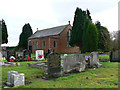
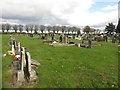
Dudley cemetery and chapel in Weetslade Ward
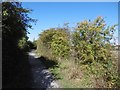
Seatonburn Waggonway in Weetslade Ward
Former recycling point, Dudley Lane in Weetslade Ward
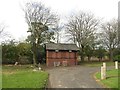
Toilets, Dudley Cemetery in Weetslade Ward
Graves in Dudley Cemetery in Weetslade Ward
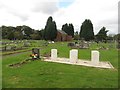
Commonwealth war graves, Dudley Cemetery in Weetslade Ward
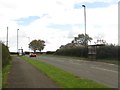
Bus stops, Dudley Lane in Weetslade Ward
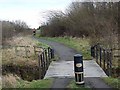
Bridge on the former Seaton Burn Waggonway in Weetslade Ward
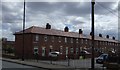
Houses on Oak and Pine Street in Weetslade Ward
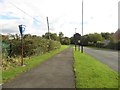
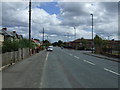
Dudley Lane (B1321) heading east in Weetslade Ward
10 photos from this area

Area Information

Living in Weetslade Ward offers a definitive North East experience within the Metropolitan Borough of North Tyneside. This electoral ward covers a compact footprint of 8.3 square kilometres, situated near Benton and Longbenton. The area is defined by its clear local government boundaries, which have been adjusted through historical orders like the 1992 Northumberland and Tyne and Wear boundaries. You will find specific landmarks that ground your daily life, including St John's United Reformed Church, St Columba's Church, and the John Willie Sams Centre. Local streets such as Elvet Cl, Aidan Cl, and Cranwel Cl provide the daily walking routes for residents. The geographical coordinates placing you around 55.052866, -1.612328 position you firmly in the region's established communities. Recent electoral changes continue to shape the administrative landscape of the ward. For those considering homes in Weetslade Ward, the setting combines traditional religious and community buildings with a defined residential footprint. This ward represents a settled part of North Tyneside where local services and neighbourhood boundaries are historically recognised and currently active.

Area Type
District Borough Unitary Ward
Area Size
8.3 km²
Population
Not available
Population Density
Not available

Demographics

The community profile of Weetslade Ward is distinctly mature. People living in Weetslade Ward have a median age of 70 years, indicating a population dominated by older residents. The most common age range recorded for the total population reflects this significant demographic shift towards retirement years. Consequently, the daily atmosphere revolves around the needs and lifestyles of a senior demographic. Home ownership is high, with 74% of households owning their property outright or with a mortgage. This statistic confirms that the majority of residents are not tenants but owners invested in the local property pile. You are likely to see a high number of long-term occupants rather than transient families looking for temporary housing. The ward's household composition, accommodation types, and predominant religious and ethnic groups are recorded as total data points in the available dataset. This concentration of elderly homeowners suggests a stable, settled neighbourhood where families often downsize to larger properties suitable for retirement. Understanding this age profile is essential if you are considering homes in Weetslade Ward, as the social environment is catered primarily to an older demographic.

Household Size

total
most common

Accommodation Type

total
most common

Tenure

74
majority

Ethnic Group

total
most common

Religion

total
most common

Household Composition

total
most common

Age

70
median
Age: Total
most common

Household Deprivation

N/A
with no deprivation

NS-SEC

34
in Lower managerial occupations

Explore more demographic insights in this area

Go to Demographics tab

Planning

Planning Constraints

  • Flood Risk
    Premium
  • Ramsar Wetland Sites
    Premium
  • Area of Outstanding Natural Beauty
    Premium
  • Protected Nature Reserve
    Premium
  • Protected Woodland
    Premium
  • Crime Risk
    Premium

Explore more planning insights in this area

Open Planning map

Frequently Asked Questions

Is Weetslade Ward a good area for elderly residents?
Yes, the community is strongly oriented towards older people. The median age in Weetslade Ward is 70, making it one of the most senior-focused neighbourhoods in the region. With 74% home ownership, most families have settled for the long term rather than moving frequently. This stability creates an environment where residents are likely used to slower-paced neighbourly interactions. The high ownership rate suggests a community where people know their neighbours well, rather than a transient population. If you are looking for a place where the demographic matches your age, Weetslade Ward offers a high concentration of peers.
How reliable is the internet connection in Weetslade Ward?
Digital connectivity in Weetslade Ward is exceptional. The area holds a fixed broadband quality score of 98 out of 100. This score indicates near-perfect speeds and reliability for fixed lines, meaning you will have no issues with slow internet or service interruptions. For residents relying on the internet for work, banking, or entertainment, the infrastructure is fully robust. You can expect a seamless digital experience that supports all modern household requirements without the need for additional satellite or mobile backup solutions.
Is the area safe from crime and flooding?
The ward passes all major safety and environmental assessments. Crime risk is low, with a safety score of 76 out of 100, which confirms below-average crime rates compared to the wider region. Flooding is not a concern, as the flood risk score is a low 6.05. Additionally, there are no Ramsar sites, AONBs, or protected woodlands within the boundaries, meaning the planning environment is free from significant natural constraints. You can expect a stable, low-risk environment suitable for daily living.
What are the main landmarks in Weetslade Ward?
The ward features specific community and religious landmarks that define its character. You will find St John's United Reformed Church and St Columba's Church as key focal points. The area also includes the Chapelville Recreation Room and the John Willie Sams Centre, providing local social hubs. Streets such as Elvet Cl, Aidan Cl, and Cranwel Cl run through the residential zones. These established features give the ward a defined sense of community rather than a generic suburban feel. The presence of these named centres indicates a functioning local infrastructure for residents.

We use cookies to provide you with the best experience. By continuing, you agree to our Cookie Policy .