Area Overview for Summerhouse
Photos of Summerhouse
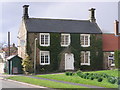
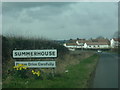
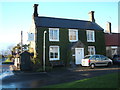
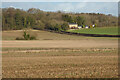
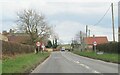
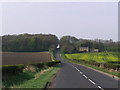
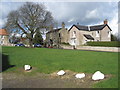
Area Information
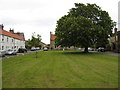
Living in Summerhouse means settling into a compact civil parish that covers just 3.4 square kilometres within England. This small geographic footprint defines daily life, where distances are short and the community feels intimate. You will find a settlement characterised by quiet streets and a distinctly local atmosphere. Because the area is so small, residents know one another, and the rhythm of life moves at a leisurely pace compared to larger towns. There are no grand landmarks or sprawling industrial zones; instead, the landscape is defined by residential clusters and open spaces. The identity of Summerhouse is rooted in its history as a parish, which has shaped the boundaries and organisation of the settlement over decades. When you visit, you are entering a space designed for proximity rather than scale. The lack of significant infrastructure within these limits means that life centres around local amenities and perhaps daily commutes to nearby larger hubs. This simplicity appeals to those seeking a retreat from city noise. You are buying into a micro-community where the constraints of size also provide the benefits of closeness and a lack of urban density. The community in Summerhouse is heavily skewed towards older residents, with a median age of 70 years. This figure defines the social fabric, indicating that the people living here are mostly those who have retired or have lived there for a significant portion of their lives. You will encounter a population where age groups are not evenly distributed, as the dominant demographic is clearly the over-seventies cohort. This concentration suggests a neighbourhood accustomed to slower days and established lifestyles. Home ownership is the standard here, with 81 per cent of residents owning their properties. This high rate implies long-term stability and a strong connection to the land since the mid-twentieth century. Fewer households rent, which stabilises the area's character against the fluctuations of the rental market. The household composition data reflects this demographic reality, as total figures suggest traditional family structures have given way to single-person or smaller households typical of an older population. There is little evidence of transient movement, and the area functions as a sanctuary rather than a transit zone.
- Area Type
- Parish
- Area Size
- 3.4 km²
- Population
- Not available
- Population Density
- Not available
Demographics
The community in Summerhouse is heavily skewed towards older residents, with a median age of 70 years. This figure defines the social fabric, indicating that the people living here are mostly those who have retired or have lived there for a significant portion of their lives. You will encounter a population where age groups are not evenly distributed, as the dominant demographic is clearly the over-seventies cohort. This concentration suggests a neighbourhood accustomed to slower days and established lifestyles. Home ownership is the standard here, with 81 per cent of residents owning their properties. This high rate implies long-term stability and a strong connection to the land since the mid-twentieth century. Fewer households rent, which stabilises the area's character against the fluctuations of the rental market. The household composition data reflects this demographic reality, as total figures suggest traditional family structures have given way to single-person or smaller households typical of an older population. There is little evidence of transient movement, and the area functions as a sanctuary rather than a transit zone.
Household Size
Accommodation Type
Tenure
Ethnic Group
Religion
Household Composition
Age
Household Deprivation
NS-SEC
Explore more demographic insights in this area
Go to Demographics tabPlanning
Planning Constraints
- Flood RiskLocked
- Ramsar Wetland SitesLocked
- Area of Outstanding Natural BeautyLocked
- Protected Nature ReserveLocked
- Protected WoodlandLocked
- Crime RiskLocked