Area Overview for Stockton-on-Tees
Photos of Stockton-on-Tees

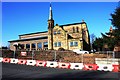
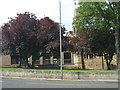
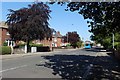
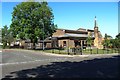
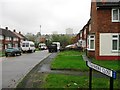
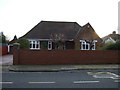
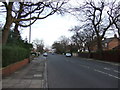
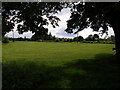
Area Information
Living in Stockton-on-Tees offers a compact yet populated experience within the Tees Valley. The district covers just 23.1 km², making it a relatively small administrative area for its population size. Despite the limited geographical footprint, the borough supports a community of 40,732 residents. This density creates a neighbourhood feel where local interactions are more common than in sprawling metropolitan areas. The unitary authority structure means local governance is concentrated, potentially resulting in faster decision-making for local improvements. Residents appreciate the manageable scale, which keeps commute times predictable for those working across the wider region. Daily life revolves around a centralised community hub rather than dispersed suburban sprawl. The area balances residential density with essential amenities found within a short distance. Prospective buyers will find that the population density of 1,767 people per km² ensures public transport links and services remain accessible without the congestion of larger cities. Stockton-on-Tees functions as a distinct local entity, offering a grounded lifestyle compared to nearby urban centres. You will find the pace of life steady, driven by a mix of long-term residents and families settling into the homes. The sizeable population within a small area fosters a strong sense of local identity, where news and events spread quickly through the community. This setup suits those who value proximity to neighbours while maintaining their independence.
- Area Type
- District/Borough
- Area Size
- 23.1 km²
- Population
- 40732
- Population Density
- 1767 people/km²
Demographics
The community makeup of Stockton-on-Tees reflects a mature demographic profile. The median age reaches exactly 70 years, placing this as one of the oldest places in the country. This statistical fact indicates that a significant portion of the population consists of older adults, influencing the local service requirements. You will find fewer young families compared to national averages, shaping the social fabric of the district. Home ownership stands at 62%, meaning roughly two out of every three residents own their property outright or with a mortgage. This high level of equity suggests a stable, settled community rather than a transient rental market. Accommodation types and household composition data confirm that residents have established long-term residences here. The high home ownership rate contrasts sharply with areas dominated by student housing or temporary rentals. This stability often translates to better-maintained properties and a stronger sense of local investment among neighbours. While specific ethnic group percentages and religious affiliations are not detailed in current records, the established house ownership levels point to a long-standing residential base. The demographic reality means public facilities and leisure centres cater primarily to a senior audience. Understanding this age profile helps you anticipate the character of local shops and community centres. The population structure defines the rhythm of the weekend high street and the quiet of weekday evenings.