Area Overview for Newton Aycliffe
Photos of Newton Aycliffe
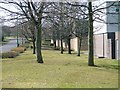
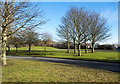





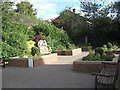

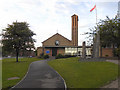

Area Information
Newton Aycliffe presents itself as a compact built-up area occupying 10.6 square kilometres within the North East of England. The locale functions as a distinct residential zone rather than a sprawling conurbation, offering a contained environment for those seeking convenience. Living in Newton Aycliffe means navigating a neighbourhood where space is defined by its modest footprint yet delivers essential access to nearby services. The character of the area is shaped by its recent development history, which has transformed former industrial estates into a community of planned housing. You will find a setting that prioritises practicality over grandeur, appealing to buyers who value defined boundaries and proximity to transport links. The area serves as a hub for local living, balancing the need for tranquility with everyday accessibility to retail and rail stations. This specificity makes Newton Aycliffe a logical choice for commuters and families who prefer a structured community layout. The compact nature ensures that daily needs remain within a short distance, reducing reliance on long-distance travel for routine errands. Homebuyers should note that the area's identity is firmly rooted in its role as a self-contained residential district with clear boundaries and a focus on modern housing solutions.
- Area Type
- Built Up Area 250
- Area Size
- 10.6 km²
- Population
- Not available
- Population Density
- Not available
Daily life in Newton Aycliffe revolves around a selection of practical amenities situated within practical reach of the residential estates. Retail options are consolidated around five local grocery stores, including Morrisons Daily units and the Heron Newton outlet. These retailers provide the essential goods required for home life without necessitating a trip to larger shopping centres. Rail connectivity places the area firmly within the transport network, with Newton Aycliffe Railway Station serving the immediate locality. Heighington Railway Station and Shildon Railway Station lie nearby, offering further connections for commuters travelling further afield. The presence of these stations ensures that residents can access the wider country rapidly by rail. Leisure facilities and parks are not explicitly detailed in the current data, so you should expect a neighbourhood lifestyle focused on outdoor space and local shops. Dining opportunities are likely limited to takeaway or casual local eateries associated with the retail parks. The convenience of having multiple supermarkets nearby reduces the burden of shopping logistics. For buyers prioritising walkability, the cluster of these five stores within the area creates a self-sufficient corner for everyday needs. The rail links transform the location from a remote rural spot into a viable commuter base for those working north of the city.
Amenities
Schools
Families living in Newton Aycliffe have several educational options within the immediate neighbourhood, though the mix is dominated by primary institutions. Woodham Burn Community Primary School stands among the key providers for younger children in the district. Nearby families also access Aycliffe Village Primary and Nursery School, which offers early years education and boarding for infants. Woodham Burn Junior School caters to pupils transitioning from infant stages within the secondary age bracket. Elmfield Primary School serves another catchment area of young residents seeking local provision. Woodham Burn Infants' School completes the local primary offering for families in immediate proximity. There are currently no secondary schools listed in the vicinity of Newton Aycliffe within the provided data. This absence means that children attending these primary institutions will likely need to travel to secondary colleges outside the immediate 10.6 square kilometre boundary. Parents must plan for commute times if their children advance beyond the infant and junior stages. The concentration of primary schools indicates a specific focus on early education for local families. You may find that catchment boundaries are strictly enforced for these specific campuses. When assessing schools near Newton Aycliffe, you must consider the necessary transition period to off-site secondary education. The noise and traffic associated with multiple primary schools affect the residential amenity in those specific streets.
| Rank | School | Type | Entry gender | Ages |
|---|
Explore more schools in this area
Go to Schools tabDemographics
The community profile within Newton Aycliffe reveals a predominantly older population, with a median age of 70 years. This demographic concentration suggests a neighbourhood mostly suited to retirees or older adults rather than young families. Consequently, the area is less likely to feature a high turnover of children moving through local institutions. Home ownership stands at an impressive 64% across the region. This high level indicates that most residents are settled owners rather than tenants, fostering a stable and established community atmosphere. You are unlikely to encounter a transient population dominated by students or short-term renters. The accommodation mix reflects this stability, aligning with the age profile of the inhabitants. There is no indication of significant ethnic diversity or religious plurality in the available records, pointing towards a homogenous social structure. For buyers considering the area, the high ownership rate implies robust property values supported by long-term residents. The demographic reality means that the social fabric is likely resilient, built on generations of local ties rather than the shifting population common in student towns or new build developments. The age profile fundamentally dictates the neighbourhood character, offering peace and quiet but potentially fewer family-oriented activities.