Area Overview for Lowick
Photos of Lowick
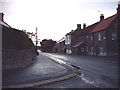
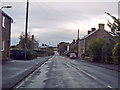
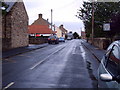
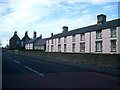
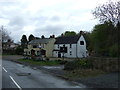
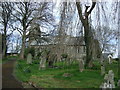
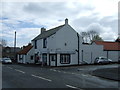
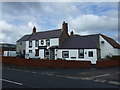
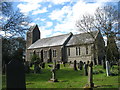
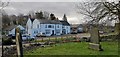
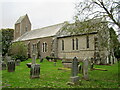
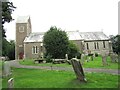
Area Information
Living in Lowick offers a quiet introduction to a built-up area within the North East of England. The settlement covers 37.2 hectares, defining it as a distinct community rather than a sprawling city centre or a scattered village. This compact size contributes to a neighbourhood where the scale of development remains manageable for residents. The area functions as a functional endpoint rather than a major transit hub, currently lacking direct station or motorway access in the immediate vicinity. Daily life here revolves around proximity rather than speed, with the majority of larger amenities located a short drive away in the wider Tyne Valley region. Recent demographic shifts have transformed Lowick from its historical roots as a largely agricultural settlement into a popular home for retired people seeking a slower pace of life. The character of the village is defined by a specific age profile rather than a young workforce, creating a demographic that values established community spaces over nightlife or fast-paced enterprise. You enter a village where the architecture and local services are tailored to older residents, offering a stable environment but lacking the energy of areas with younger populations. The area does not boast large office parks or rural parks for public recreation, meaning leisure activities are typically visited in nearby towns like Killingworth or from the surrounding Northumberland countryside. Homes in Lowick provide a setting for those who prioritise space and tranquility over immediate urban convenience.
- Area Type
- Built Up Area 250
- Area Size
- 37.2 hectares
- Population
- Not available
- Population Density
- Not available
Amenities
Schools
Families considering living in Lowick should note that the area provides two primary options for primary education, though no secondary schooling is listed within the immediate vicinity. The first option is Lowick First School, a primary institution that serves the local catchment. The second and more prominent provision is Lowick Church of Education Voluntary Controlled First School, which holds a good Ofsted rating. This positive assessment suggests that the school meets high standards for education and welfare, an important factor for parents in the wider Five Towns or Wallsend areas who consider Lowick housing. The presence of only primary schools indicates that high school education requires travel to neighbouring towns like Killingworth or the University of Newcastle campuses. This arrange means that daily school runs for ten to sixteen year olds are not localised to the village centre. The mix of school types is limited by the size of the settlement; you will not find academies or alternative provision centres within the 37.2 hectare boundary. For families, this means choosing a home in Lowick often involves agreeing to a commute for older children. The good rating of the Church of England Voluntary Controlled First School provides strong reassurance for younger children, ensuring that early education standards are met without the need to look for private colleges or schools outside the village. Choosing a home here requires planning for secondary education logistics.
| Rank | School | Type | Entry gender | Ages |
|---|
Explore more schools in this area
Go to Schools tabDemographics
The community in Lowick presents a clear demographic profile focused on older residents. You will find that 50% of homes in the area are owner-occupied, indicating a significant proportion of the population has achieved financial stability and settled into the local market. This level of ownership suggests a long-term commitment to the village, likely fostering stronger neighbourly ties compared to higher-rent neighbourhoods. The household composition centres on older demographics, as evidenced by a median age of 70. This figure places the average resident well into retirement, shaping the local demand for services such as quiet public spaces, accessible homes, and community groups suited to mature adults. While specific breakdowns for ethnic groups and religious affiliation are not detailed in current records, the age data suggests a homogenous settlement demographic typical of established rural villages in England. The most common age range aligns with the national average for retirement, reinforcing the idea that this village attracts those leaving active careers behind. Living in Lowick means moving into an area where the social network is likely centred on generations of local families and retirees rather than young professionals or families with school-aged children. This profile creates a stable but potentially quiet environment where economic activity may be driven more by pension income than by a dynamic younger workforce. The 50% ownership rate further supports a community where residents have the means to stay put, resulting in low turnover and deep-rooted local history.
Household Size
Accommodation Type
Tenure
Ethnic Group
Religion
Household Composition
Age
Household Deprivation
NS-SEC
Explore more demographic insights in this area
Go to Demographics tabPlanning
Planning Constraints
- Crime RiskPremium