Area Overview for Hamsterley
Photos of Hamsterley
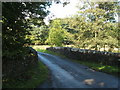
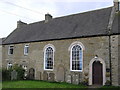
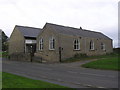
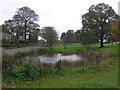
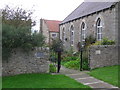
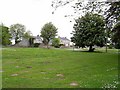
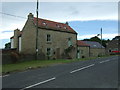
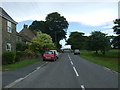
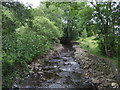
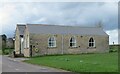
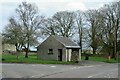
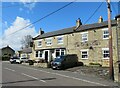
Area Information
Living in Hamsterley offers a quiet, compact environment within a built-up area spanning 24.6 hectares. The community here is characterised by a median age of 70, suggesting a population skewed towards older residents. This is a place where daily life is shaped by proximity to essential services and a modest, established infrastructure. The area’s small size means amenities are within practical reach, with rail links to nearby towns like Bishop Auckland and Wolsingham providing easy access to broader regional networks. While Hamsterley lacks the density of a major city, its manageable scale and low crime risk—scoring 78/100—make it appealing for those prioritising safety and simplicity. The presence of a primary school with a good Ofsted rating adds to its appeal for families, though the broader educational landscape remains limited. For buyers seeking a low-maintenance, older demographic area with reliable transport and a sense of security, Hamsterley provides a straightforward, no-frills option.
- Area Type
- Built Up Area 250
- Area Size
- 24.6 hectares
- Population
- Not available
- Population Density
- Not available
Daily life in Hamsterley is shaped by its proximity to retail and rail amenities. The area has five notable retail spots, including Spar Fir, Spar Bridge, and Aldi Queen, offering basic shopping needs within walking distance. These stores cater to essentials rather than luxury, reflecting the community’s practical orientation. The three rail stations provide access to Bishop Auckland and surrounding areas, enabling trips to larger towns for more extensive shopping, dining, or leisure. While there are no parks or recreational facilities listed in the data, the rail and retail connections suggest a lifestyle focused on convenience and accessibility rather than expansive leisure options. The area’s charm lies in its simplicity, with amenities designed for efficiency rather than variety.
Amenities
Schools
The nearest school to Hamsterley is Hamsterley Primary School, which serves the area’s younger residents. It holds a good Ofsted rating, indicating a satisfactory standard of education. However, the absence of secondary schools or further education institutions in the immediate vicinity means families may need to look beyond the area for comprehensive schooling. This limits the appeal for those requiring a full range of educational options. The primary school’s presence is a positive factor, but the lack of higher-level education facilities could be a drawback for households with children at different stages of their schooling. Prospective buyers should consider the need for additional transport or relocation to access secondary education.
| Rank | A + A* % | School | Type | Entry gender | Ages |
|---|---|---|---|---|---|
| 1 | N/A | Hamsterley Primary School | primary | N/A | N/A |
Explore more schools in this area
Go to Schools tabDemographics
Hamsterley’s population is predominantly older, with a median age of 70, reflecting a community where retirees or long-term residents form the majority. Home ownership is high at 74%, indicating a stable, settled population with fewer renters. The data does not specify household composition or accommodation types, but the overall figures suggest a mix of family homes and single-occupancy properties. The absence of detailed breakdowns on diversity or deprivation means the area’s social fabric remains opaque, though the high home ownership rate implies a degree of economic stability. For residents, this translates to a community where familiarity and continuity are likely to be key features. The lack of specific data on age ranges beyond the median suggests a homogenous demographic, which may influence local services and amenities.
Household Size
Accommodation Type
Tenure
Ethnic Group
Religion
Household Composition
Age
Household Deprivation
NS-SEC
Explore more demographic insights in this area
Go to Demographics tabPlanning
Planning Constraints
- Crime RiskLocked