Area Overview for Framwellgate Moor
Photos of Framwellgate Moor
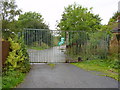
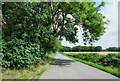
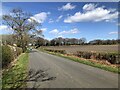
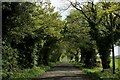
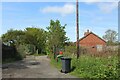
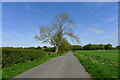
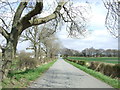
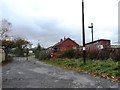
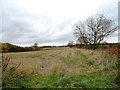
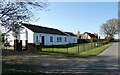
Area Information
Framwellgate Moor is a civil parish situated immediately north of Durham City in County Durham. This area covers an expanse of 12.2 km² and has evolved from an open moorland enclosed under the 1801 Enclosure Act into a modern suburban village. The population stands at 6,448 residents according to 2021 figures, marking a steady rise from the 6,112 recorded in the 2011 Census. The name reflects its agricultural origins, translating to "The Street of the Strong Spring on the Moor". Daily life here balances village charm with proximity to urban amenities. You are neighbours to established hamlets such as Pity Me and Newton Hall. Historic features define the landscape, including the ruins of Finchale Priory and the grounds of New College Durham. The Parish Council, formed under the 1894 Local Government Act, oversees the community. Finchale Abbey, once a First World War POW centre, now serves as a training site for the disabled. Residents also benefit from a recreation ground on Abbey Road which was purchased in 1927. Homes in Framwellgate Moor offer a mix of character and convenience. You will find the County Wildlife Site located at the former brickworks ponds and Cocken Woods nearby. The area sits adjacent to HM Frankland and Low Newton prisons. Living in Framwellgate Moor provides access to local halls while remaining close to Durham City's centre. St Aidan's Church, opened in 1862, remains a central landmark for the community. The local economy benefits directly from the nearby educational institutions and the presence of significant residential sites like Brasside village.
- Area Type
- Parish
- Area Size
- 12.2 km²
- Population
- Not available
- Population Density
- Not available
Demographics
The community within Framwellgate Moor displays a distinct age profile. The median age is 70 years old, making this one of the oldest parishes in the county. Most residents fall into the older demographic categories, meaning the area functions primarily as a retirement destination. There is no significant influx of young families or students compared to other Durham towns. Home ownership is the dominant tenure type here. Seventy-four per cent of people in Framwellgate Moor own their homes outright or with a mortgage. This high level of ownership suggests long-term settlement and stability. The remaining quarter of households likely comprises private renters or those living rent-free. Household composition data indicates a population structure typical of villages with limited youth migration. Diversity remains consistent with national averages for the region. The predominant ethnic group consists of White British residents, which aligns with the older demographic profile. Religious affiliation follows similar traditional patterns found across County Durham. You will not find a predominantly immigrant community compared to larger urban centres. The stable population and high ownership rate create a quiet residential environment. This demographic reality means you will rarely share walks with children or young adults. Safety concerns regarding youth crime are minimal given the age profile, but the elderly population requires good emergency services access. The area maintains a static social fabric rather than a rapidly changing one. Properties in Framwellgate Moor appeal specifically to those seeking retirement hunting grounds or downsizing opportunities.
Household Size
Accommodation Type
Tenure
Ethnic Group
Religion
Household Composition
Age
Household Deprivation
NS-SEC
Explore more demographic insights in this area
Go to Demographics tabPlanning
Planning Constraints
- Flood RiskPremium
- Ramsar Wetland SitesPremium
- Area of Outstanding Natural BeautyPremium
- Protected Nature ReservePremium
- Protected WoodlandPremium
- Crime RiskPremium