Area Overview for DL1 2NQ
Photos of DL1 2NQ
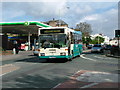
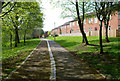
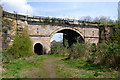
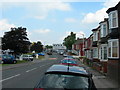
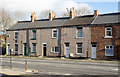
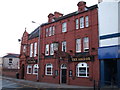
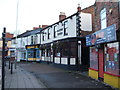

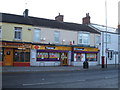
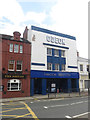
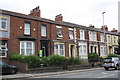
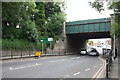
Area Information
Living in DL1 2NQ means being part of a small, tightly knit residential cluster in England, with a population of 2228 residents. This area is defined by its compact size and proximity to essential services, making it practical for daily life. The community is predominantly composed of adults aged 30–64, reflecting a mature demographic. Daily routines here are shaped by the availability of local schools, rail connections, and retail outlets. The area’s appeal lies in its balance of accessibility and quiet residential character. With a broadband score of 99 and a mobile coverage score of 84, residents enjoy reliable digital connectivity, supporting both remote work and everyday internet use. While the area lacks natural conservation designations, its safety assessments are mixed, with a critical crime risk score of 25. For those prioritising convenience over natural landscapes, DL1 2NQ offers a functional, if not always tranquil, living environment.
- Area Type
- Postcode
- Area Size
- Not available
- Population
- 2228
- Population Density
- 2602 people/km²
The property market in DL1 2NQ is characterised by a 43% home ownership rate, suggesting that over half of residents rent their homes. This points to a rental market that may be more dynamic than owner-occupied, potentially attracting tenants seeking stability in a small, established area. The accommodation type is predominantly houses, which is unusual for a small postcode area but aligns with the low-density residential profile. This means the housing stock is likely to consist of semi-detached or detached properties, offering more space than typical flats. For buyers, this could imply limited availability of apartments or smaller units, though the small size of the area may mean properties are closely clustered. The market’s character is shaped by its compact nature, with homes likely to be in proximity to local amenities and transport links.
House Prices in DL1 2NQ
No properties found in this postcode.
Energy Efficiency in DL1 2NQ
The lifestyle in DL1 2NQ is shaped by its proximity to retail, transport, and leisure facilities. Within practical reach are five retail outlets, including Spar Darlington, Iceland North, and Aldi North Road, providing everyday shopping convenience. The area’s rail network, with stations like North Road and Darlington, ensures easy access to public transport, while nearby airports offer regional and national travel options. Though the data does not mention parks or recreational spaces, the presence of multiple retail and transport hubs suggests a focus on practicality over leisure. This makes DL1 2NQ suitable for those prioritising accessibility and functionality, though residents may need to travel further for dedicated green spaces or cultural amenities.
Amenities
Schools
Residents of DL1 2NQ have access to a range of educational institutions, including Albert Hill Nursery School, which provides early years education, and Gurney Pease Primary School for younger children. For older students, Gurney Pease Academy offers secondary education and holds an Ofsted rating of ‘good’. This combination of nursery, primary, and academy schools creates a seamless educational pathway for families. The presence of a rated academy suggests a focus on structured learning and quality outcomes, though the data does not indicate specialist facilities or extracurricular offerings. The proximity of these schools to the area means parents can rely on local options without long commutes. However, the absence of higher education institutions or further education colleges is notable for those requiring such services.
| Rank | School | Type | Entry gender | Ages |
|---|
Explore more schools in this area
Go to Schools tabDemographics
DL1 2NQ has a median age of 47, with the majority of residents falling within the 30–64 age range. This suggests a community of established professionals and families, rather than a younger or retired population. Home ownership stands at 43%, indicating a significant proportion of residents rent their homes. The accommodation type is predominantly houses, reflecting a more spread-out, low-density housing stock. The predominant ethnic group is White, though no specific data on diversity or deprivation levels is provided. This demographic profile implies a stable, middle-aged population with established routines and a reliance on local services. The relatively low home ownership rate may suggest a rental market that caters to transient or younger households, though the data does not clarify this further.
Household Size
Accommodation Type
Tenure
Ethnic Group
Religion
Household Composition
Age
Household Deprivation
NS-SEC
Explore more demographic insights in this area
Go to Demographics tabPlanning
Planning Constraints
- Flood RiskPremium
- Ramsar Wetland SitesPremium
- Area of Outstanding Natural BeautyPremium
- Protected Nature ReservePremium
- Protected WoodlandPremium