Area Overview for DH6 3YY
Photos of DH6 3YY
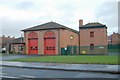
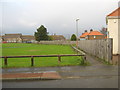
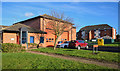
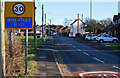
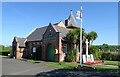
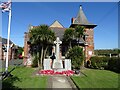
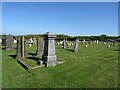
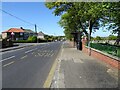
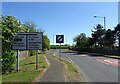
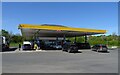
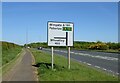
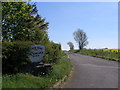
Area Information
Living in DH6 3YY means being part of a compact, residential cluster in England with a population of 1372 people spread across 398 residents per square kilometre. This area is characterised by its small-scale community feel, where daily life is shaped by proximity to local amenities and schools. The postcode covers a limited geographical footprint, making it ideal for those seeking a quiet, close-knit environment. Residents here are predominantly adults aged 30–64, with a median age of 47, suggesting a stable, mature demographic. The area’s housing stock is largely composed of homes, with 59% of properties owner-occupied. While the population is small, the presence of nearby retail outlets and a rail station at Horden Peterlee Station provides practical connectivity. DH6 3YY is not a sprawling suburb but a focused neighbourhood where familiarity with local services and routines is key. For buyers, this means a limited but cohesive housing market, where properties are likely to be well-maintained and integrated into the local fabric. The area’s low flood risk and absence of protected natural sites also make it a straightforward place to live, with no complex planning constraints.
- Area Type
- Postcode
- Area Size
- Not available
- Population
- 1372
- Population Density
- 398 people/km²
The property market in DH6 3YY is defined by its small scale and focus on owner-occupied homes. With 59% of properties owned by residents, the area leans heavily towards long-term homeownership rather than a rental market. The accommodation type is predominantly houses, which is unusual for many modern UK postcode areas that often include flats or apartments. This suggests a traditional, family-oriented housing stock where properties are likely to be spacious and well-established. The limited size of the area means the housing market is not expansive, and buyers should expect a constrained selection of properties. For those considering DH6 3YY, the emphasis on homes over rentals indicates a community where property values may be stable but not rapidly appreciating. The small population and low density also mean that new developments are unlikely, preserving the existing character of the area. Buyers should approach the market with realistic expectations, prioritising properties that align with the local architectural and residential norms.
House Prices in DH6 3YY
No properties found in this postcode.
Energy Efficiency in DH6 3YY
The lifestyle in DH6 3YY is shaped by its proximity to essential amenities and a modest retail landscape. Five retail outlets, including Co-op Wheatley, Spar Old, and Budgens Thornley, provide everyday shopping options for groceries and essentials. These stores cater to the community’s needs without requiring long trips, reinforcing the area’s self-contained nature. The presence of Horden Peterlee Station adds connectivity, though its role in daily life depends on rail service frequency and route availability. Beyond retail, the area’s small size means leisure and recreational facilities are limited to what is immediately accessible, with no specific parks or leisure centres listed. The character of DH6 3YY is defined by its practicality, where convenience is prioritised over expansive amenities. For residents, this means a lifestyle centred on local services, with the trade-off being fewer large-scale facilities. The compact nature of the area ensures that daily errands and social interactions remain within walking or short driving distance.
Amenities
Schools
DH6 3YY is served by three primary schools, all within practical reach of residents. Wheatley Hill Community Primary School, rated ‘good’ by Ofsted, offers a state-funded education with a focus on community engagement. Nearby, St Godric’s Roman Catholic Voluntary Aided Primary School in Thornley and St Godrics Catholic Primary School, also in Thornley, provide alternative educational options with a faith-based curriculum. The presence of multiple primary schools ensures families have choices, whether they prefer state or faith-based education. The concentration of schools in the area reflects the community’s emphasis on localised services, reducing the need for long commutes. For parents, this proximity to schools is a key advantage, supporting a balanced lifestyle where children can attend nearby institutions. The variety of school types also caters to different educational preferences, though no secondary schools are listed in the data, which may require families to consider commuting for higher education.
| Rank | School | Type | Entry gender | Ages |
|---|
Explore more schools in this area
Go to Schools tabDemographics
The community in DH6 3YY is predominantly composed of adults aged 30–64, with a median age of 47. This suggests a population skewed towards middle-aged residents, many of whom may be established in their careers or nearing retirement. Home ownership is strong, with 59% of properties owner-occupied, indicating a stable housing market where long-term residency is common. The accommodation type is primarily houses, which aligns with the area’s small, residential character. The predominant ethnic group is White, reflecting a homogenous demographic profile. While no specific data on deprivation is provided, the high home ownership rate and low population density suggest a community with relatively low economic pressure compared to more densely populated areas. The absence of detailed diversity statistics means the area’s social composition is not extensively documented, but the data points to a consistent, localised population with minimal turnover. This stability may appeal to those seeking a predictable, low-mobility environment.
Household Size
Accommodation Type
Tenure
Ethnic Group
Religion
Household Composition
Age
Household Deprivation
NS-SEC
Explore more demographic insights in this area
Go to Demographics tabPlanning
Planning Constraints
- Flood RiskPremium
- Ramsar Wetland SitesPremium
- Area of Outstanding Natural BeautyPremium
- Protected Nature ReservePremium
- Protected WoodlandPremium