Area Overview for Copt Hill Ward
Photos of Copt Hill Ward
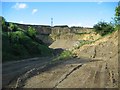
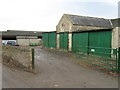
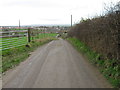
Area Information
Living in Copt Hill Ward offers a quiet existence within County Durham, North East England. This district borough unitary ward sits on the north side of Weardale, positioned between Cowshill and Cornriggs. The area spans 15.1 km² and houses a recorded population of 1,547 people. Census data suggests broader community figures may reach between 12,000 and 12,500 across recent years. Daily life here is defined by a close-knit rural setting. You can expect a low population density of 102 people per square kilometre. This smaller scale means less traffic and noise, yet you remain connected to nearby settlements. The ward boundaries, as defined by the Boundary Commission for England, form a distinct residential zone. You will find housing spread across the landscape rather than densely packed. This layout supports a slower pace of living. While the area is specific to Copt Hill, it functions as part of the larger Darlington borough infrastructure. Residents enjoy access to local services while maintaining a clear separation from the busier town centres. Your commute likely involves driving or cycling through Weardale. The physical environment remains stable with no AONB or Ramsar sites directly impacting immediate planning. You purchase a home in a defined administrative area that balances rural charm with statutory governance.
- Area Type
- District Borough Unitary Ward
- Area Size
- 15.1 km²
- Population
- 1547
- Population Density
- 102 people/km²
Demographics
The community of Copt Hill Ward is notably older than the national average. The median age here stands at 70 years. This figure indicates a significant proportion of residents fall into older age brackets. Households likely consist of retired couples or single seniors living in independent accommodation. The data records 65% home ownership rates. You are more likely to find long-term owners than tenants navigating this ward. This high ownership level suggests residents have stayed for decades and invested in their properties. Household composition points towards fewer children being raised locally. The population density of 102 people per km² supports this demographic profile. Ethnically, the ward remains predominantly typical of the broader region, though specific breakdowns require detailed census analysis. Religion and ethnic group totals are recorded in official statistics but do not dominate the daily social narrative. You will find a stable community with deep roots. This demographic reality shapes local amenities and service demands. Schools nearby cater to the younger populations arriving from surrounding areas rather than feeding exclusively from Copt Hill. The aged population influences local council priorities and funding allocations for Copt Hill Ward.
Household Size
Accommodation Type
Tenure
Ethnic Group
Religion
Household Composition
Age
Household Deprivation
NS-SEC
Explore more demographic insights in this area
Go to Demographics tabPlanning
Planning Constraints
- Flood RiskPremium
- Ramsar Wetland SitesPremium
- Area of Outstanding Natural BeautyPremium
- Protected Nature ReservePremium
- Protected WoodlandPremium
- Crime RiskPremium