Area Overview for Cleatlam
Photos of Cleatlam
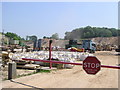
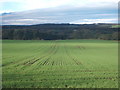
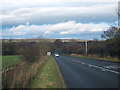
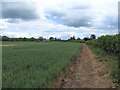
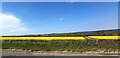
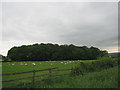
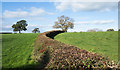
Area Information
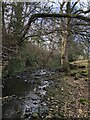
Cleatlam is a small rural settlement and civil parish located in County Durham, North East England. The area covers 4.5 km² and sits at coordinates 54.5629° N, 1.8194° W, positioning it within the dispersed hamlets characteristic of the Pennine foothills. As of 2021, the village comprised 85 residents, reflecting its status as a quiet, agricultural community rather than a bustling hub. You will find Cleatlam approximately 4½ miles north-east of Barnard Castle and roughly 10–11 miles west of Darlington, which serves as the local post town. The civil parish lies south-west of the larger village of Staindrop. Life in Cleatlam revolves around a close-knit, sparsely populated setting. The settlement includes the Church of St Andrew as a significant local landmark. Nearby interests include St Mary's Church in Whorlton, situated 2½ miles south, and Newsham Hall within the wider locality. For education needs, residents typically travel to Staindrop Academy, a coeducational secondary school located approximately 1 mile north in the neighbouring village. Living in Cleatlam means prioritising proximity to nature and a slower pace over urban convenience. The landscape offers typical countryside views while maintaining accessible links to nearby towns.
- Area Type
- Parish
- Area Size
- 4.5 km²
- Population
- Not available
- Population Density
- Not available
Demographics
The community in Cleatlam presents a distinct demographic profile shaped by its rural nature. The median age in the area is 70, indicating a community with a predominance of older residents. This age distribution suggests a retirement destination or a village with limited young family growth. Regarding home ownership, 60% of households possess their property outright or through a mortgage, while the remaining 40% reside in rental accommodation. This ratio confirms a substantial owner-occupied population compared to typical high-density urban centres. Accommodation and household data reflect the village's small scale. The total number of residents remains below 100, limiting the diversity of household compositions found in larger towns. Ethnically and religiously, specific breakdowns are not detailed in available records, but the small population naturally constrains the variety of demographics compared to metropolitan areas. You should expect a homogenous community where local traditions and agricultural heritage define daily interactions. The low population density means neighbours know one another, fostering a supportive environment. However, this also implies fewer services within walking distance. When considering Cleatlam, you are entering a stable, age-focused community where ownership is prevalent and social circles are tight.
Household Size
Accommodation Type
Tenure
Ethnic Group
Religion
Household Composition
Age
Household Deprivation
NS-SEC
Explore more demographic insights in this area
Go to Demographics tabPlanning
Planning Constraints
- Flood RiskPremium
- Ramsar Wetland SitesPremium
- Area of Outstanding Natural BeautyPremium
- Protected Nature ReservePremium
- Protected WoodlandPremium
- Crime RiskPremium