Area Overview for Capheaton
Photos of Capheaton
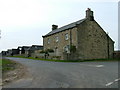
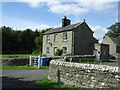
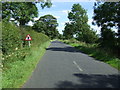
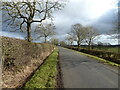
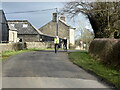
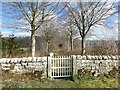
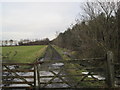
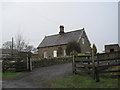
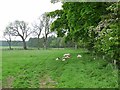
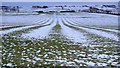
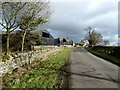
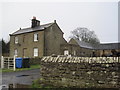
Area Information
Living in Capheaton means settling into a rural civil parish that spans 22.3 km² across England. This area offers a distinct countryside lifestyle for those seeking space and quiet away from urban density. The total area size ensures plenty of open ground for local residents to enjoy nature without the noise of major cities. You will find a community character defined by its specific boundaries and established history rather than rapid development. Daily life here revolves around local amenities and the natural surroundings that characterise this parish. The parish status of Capheaton indicates a self-contained local government area with its own distinct identity. There are no indications of large-scale commercial districts within these 22.3 km², suggesting a focus on residential quality. Prospective buyers should understand that living in this location provides a specific type of rural existence. The area does not feature the congestion or high pace of life found in metropolitan centers. Instead, your daily routine will likely centre on local walks and community interactions within the parish limits. Capheaton represents a choice for buyers prioritising rural connectivity and established neighbourhoods. The layout of the parish supports a calm lifestyle where residents can manage their daily needs locally. You can access a defined sense of community within these boundaries while enjoying the benefits of a smaller population density. This area serves as a clear alternative for those who value rural living above urban convenience. The specific size and classification of the parish define the scope of your future home environment.
- Area Type
- Parish
- Area Size
- 22.3 km²
- Population
- Not available
- Population Density
- Not available
Demographics
The community in Capheaton displays a very clear age profile with a median age of 70. This figure indicates that the population skews significantly towards older residents compared to the rest of the country. Age data shows that the traditional working-age demographic makes up a smaller portion of the total population. You are looking at an area where the average resident is well past retirement age. This demographic structure influences the type of services and facilities that cater to the local needs. Home ownership stands at 57% across the parish. This percentage reveals that the majority of properties are owned outright rather than rented. Nearly two out of every three households hold the freehold title to their accommodation. This high rate of ownership typically suggests stability within the community and long-term residency. Families and individuals choosing to live in Capheaton often seek to buy rather than rent. The household composition data supports a picture of a settled community with roots in the area. Accomodation types and broader demographic details align with this picture of an established, ageing population. The diversity metrics and religion data reflect the makeup of this specific parish in Northumberland. You will find a community where life revolves around established patterns rather than the influx of young professionals. The data confirms that living in Capheaton involves engaging with an older demographic that has lived in the area for decades. This stability provides a consistent environment for those who prioritize a predictable and mature neighbourhood setting.
Household Size
Accommodation Type
Tenure
Ethnic Group
Religion
Household Composition
Age
Household Deprivation
NS-SEC
Explore more demographic insights in this area
Go to Demographics tabPlanning
Planning Constraints
- Flood RiskLocked
- Ramsar Wetland SitesLocked
- Area of Outstanding Natural BeautyLocked
- Protected Nature ReserveLocked
- Protected WoodlandLocked
- Crime RiskLocked