Area Overview for LCPs of Brancepeth and Brandon and Byshottles
Photos of LCPs of Brancepeth and Brandon and Byshottles
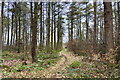
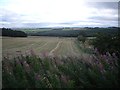
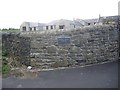
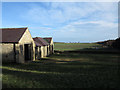
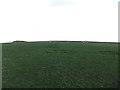
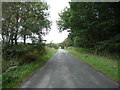
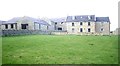
Area Information
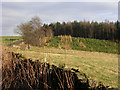
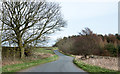
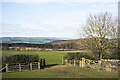
Living in the LCPs of Brancepeth and Brandon and Byshottles offers a distinct experience within the Durham countryside. This civil parish occupies a compact footprint of just 4.3 hectares, a small scale that defines the daily rhythm of life for its residents. The area is characterised by a quiet, contained environment rather than rapid urban expansion. When you visit or research this location, you will find it is built around a traditional, close-knit community structure typical of historic English parishes. There is no large industrial infrastructure or high-density development to disrupt the local atmosphere. The physical boundaries of this parish create a self-contained village feel where neighbours often know one another. This small size means facilities and amenities are likely located within walking distance or a short drive, reducing the need for long commutes within the immediate locality. You are stepping into a setting where space and history are prioritised over modern sprawl. The LCPs of Brancepeth and Brandon and Byshottles provide a clear contrast to the rapid growth seen in many other English districts. It is a place where the historical context remains visible and the community layout persists without significant alteration.
- Area Type
- Parish
- Area Size
- 4.3 hectares
- Population
- Not available
- Population Density
- Not available
Demographics
The community in the LCPs of Brancepeth and Brandon and Byshottles presents a distinct demographic profile when you examine the official figures. The median age for residents stands at exactly 70, indicating a population heavily weighted towards older adults and retirees. This age distribution suggests the area attracts those seeking a quieter lifestyle in their later years. Home ownership is exceptionally high, with 74% of households owning their property outright or with a mortgage. This high level of equity typically reflects a long-term resident base rather than a transient rental market. The remaining 26% of households likely consist of renters or shared ownership properties, but these are a minority compared to the owner-occupiers. While the data does not specify detailed breakdowns for household composition or accommodation types beyond these totals, the dominance of ownership is a clear defining feature. You should expect a neighbourhood where stability is common and long-term residents are the norm. The age profile and ownership rates work together to create a specific social atmosphere. Living here means joining a community where financial security in homeownership is standard rather than exceptional.
Household Size
Accommodation Type
Tenure
Ethnic Group
Religion
Household Composition
Age
Household Deprivation
NS-SEC
Explore more demographic insights in this area
Go to Demographics tabPlanning
Planning Constraints
- Flood RiskLocked
- Ramsar Wetland SitesLocked
- Area of Outstanding Natural BeautyLocked
- Protected Nature ReserveLocked
- Protected WoodlandLocked
- Crime RiskLocked