Area Overview for Bishopsgarth & Elm Tree Ward
Photos of Bishopsgarth & Elm Tree Ward
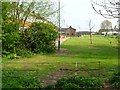
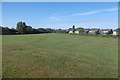
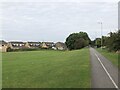
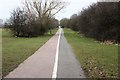
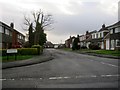
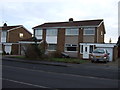
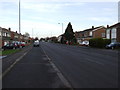
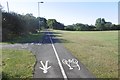
Area Information
Living in Bishopsgarth & Elm Tree Ward offers a distinct character within the geographic boundaries of your choice. This district borough unitary ward covers a compact area of just 3.0 km², creating a manageable and intimate neighbourhood setting. Residents here experience daily life without the expansive sprawl often found in larger urban districts. The ward sits firmly within England, providing a backdrop of local governance that responds to the specific needs of this small population centre. When you consider homes in Bishopsgarth & Elm Tree Ward, you are entering a space where community interactions likely extend easily from door to door due to the limited physical footprint. The density of the area supports a cohesive environment where local services and amenities operate within a short reach. There are no planning constraints such as Ramsar wetland sites or Areas of Outstanding Natural Beauty to restrict development, meaning the physical landscape remains under direct local control without these specific designations. This ward stands apart because it functions as a self-contained unit where distances are minimal. You do not have to travel far to navigate the entirety of the ward. The layout encourages a tight-knit routine where everyday activities occur within a confined radius.
- Area Type
- District Borough Unitary Ward
- Area Size
- 3.0 km²
- Population
- Not available
- Population Density
- Not available
Demographics
The community profile of Bishopsgarth & Elm Tree Ward is heavily skewed towards older demographics. Statistics show that the median age within the ward reaches 70 years, indicating a population that tends to be senior residents. When looking at households in Bishopsgarth & Elm Tree Ward, the dominant age group falls under the total category marker, suggesting a steady population structure without significant youth influx. Home ownership forms the bedrock of this community. Fully 75% of residents own their property, creating a stable foundation where most inhabitants have settled long-term. This high rate of tenure contrasts sharply with rental markets where landlords manage frequent turnover. You are likely to find neighbours who have lived in their homes for decades rather than recent movers. Household composition data reflects this settled nature. The total household classification confirms that families and individuals maintain consistent living arrangements over time. Accommodation types align closely with this ownership model, reinforcing the status of the area as a retirement or established living zone. The ethnic and religious breakdowns are recorded under total classifications, providing a complete picture of the demographic mosaic without specific minority percentage breakdowns in the available figures.
Household Size
Accommodation Type
Tenure
Ethnic Group
Religion
Household Composition
Age
Household Deprivation
NS-SEC
Explore more demographic insights in this area
Go to Demographics tabPlanning
Planning Constraints
- Flood RiskPremium
- Ramsar Wetland SitesPremium
- Area of Outstanding Natural BeautyPremium
- Protected Nature ReservePremium
- Protected WoodlandPremium