Area Overview for Acklington
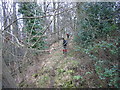
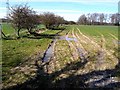
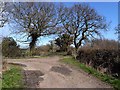
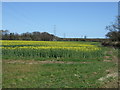
Photos of Acklington
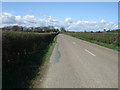
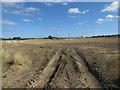
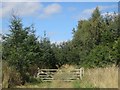
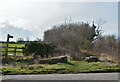
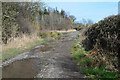
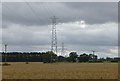
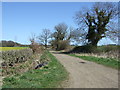
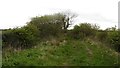
Area Information
Life in Acklington offers a quiet retreat within a civil parish covering an area of 17.5 km². The village is defined by its established character and a distinct lack of major planning constraints, as it sits free from protected nature reserves, Areas of Outstanding Natural Beauty, and Ramsar wetland sites. You will find a consistent safety profile here, with a low flood risk rating protecting homes from water-related issues. The community benefits from a crime score of 80, which indicates rates that fall below the national average for this region. While the area contains pockets of protected woodland, these sites do not restrict daily living or housing potential. Residents appreciate the stability of the environment, free from the immediate concerns of coastal erosion or significant waterlogging. The village provides a clear entry point for those seeking a rural or semi-rural lifestyle without navigating complex planning restrictions. You can expect a straightforward living environment where the primary focus remains on stability and low upkeep from natural hazards. The absence of major environmental constraints simplifies the prospect of moving into local properties. Daily life revolves around a predictable and safe neighbourhood where the main considerations are standard utility costs rather than environmental mitigation.
- Area Type
- Parish
- Area Size
- 17.5 km²
- Population
- Not available
- Population Density
- Not available
Demographics
The community profile of Acklington reflects a settled population with a median age of 70 years. This figure underscores that the village is primarily suited to older residents, likely retirees or long-term family members. The overwhelming majority of the local population falls into the category of "Age: Total", indicating a diverse yet mature age distribution centred around this high median. This demographic reality shapes the social rhythm of the parish, creating a quiet atmosphere rather than a bustling hub for young professionals or students. Home ownership stands at 79%, proving that this is a resident-owned area rather than a rental market. This high level of ownership suggests stability within the electorate and a deep-rooted attachment to the local geography. Accommodation types and predominant ethnic groups are captured in aggregate data, reflecting a homogenous community structure typical of established villages. You will not find transient populations moving frequently; instead, the households consist of those who have made Acklington their permanent home. The lack of significant youth demographics means local services cater primarily to older age requirements, affecting the social and commercial landscape.
Household Size
Accommodation Type
Tenure
Ethnic Group
Religion
Household Composition
Age
Household Deprivation
NS-SEC
Explore more demographic insights in this area
Go to Demographics tabPlanning
Planning Constraints
- Flood RiskPremium
- Ramsar Wetland SitesPremium
- Area of Outstanding Natural BeautyPremium
- Protected Nature ReservePremium
- Protected WoodlandPremium
- Crime RiskPremium