Area Overview for Wembley Park Ward
Photos of Wembley Park Ward

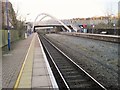


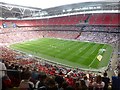

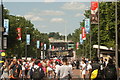
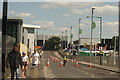
Area Information
Living in Wembley Park Ward offers a distinct experience within a district that spans 99.7 hectares. This neighbourhood functions as a substantial unitary ward where daily life balances urban proximity with managed green space. You will find a community defined more by tenure and age than by traditional village clusters. The area is large enough to feel established yet compact enough to navigate without lengthy commutes. Residents face a specific reality in this ward. High-density living coexists with significant safety considerations. The median age sits at 70 years, suggesting a population heavily skewed towards older adults. This demographic profile shapes the rhythm of the day. Early mornings are quiet while evenings revive as residents gather in local amenities. You will encounter a split in how people interact with their homes. Only 24 per cent of residents own their properties outright, meaning the majority rent their accommodation. Safety metrics reveal critical challenges alongside environmental stability. Crime risk scores indicate a critical level of concern for new buyers. You must weigh this against the absence of planning constraints like Ramsar sites or Areas of Outstanding Natural Beauty. These clearances show the land is free from protected status restrictions. However, the warning level for flood risk demands attention during property viewings. Understanding these factors is essential before committing to buying homes in Wembley Park Ward.
- Area Type
- District Borough Unitary Ward
- Area Size
- 99.7 hectares
- Population
- Not available
- Population Density
- Not available
Demographics
The community in Wembley Park Ward reflects a mature population structure. The median age is 70 years, placing the majority of residents in retirement or later life. This age profile influences local demand and the type of services that sustain daily activity. You will likely meet neighbours who have lived here for decades, valuing stability over rapid change. Household composition remains typical for this demographic, prioritising quiet and comfort. Home ownership stands at just 24 per cent within the ward. Most residents rent their homes rather than own them. This distinction shapes the local economy and the resilience of households facing financial shifts. Accommodation types vary across the 99.7 hectares, but the low ownership rate suggests a prevalence of rental blocks or managed housing. You should expect a transient mix of long-term tenants and short-term renters living side by side. Ethnic diversity and religious affiliation are present but lack specific breakdown data in current reports. The lack of detailed ethnicity statistics means you cannot quantify the cultural make-up precisely. However, the age and tenure data clearly paint a picture of an older, mostly renting community. Deprivation remains unquantified in the provided figures, yet the high crime risk score of 29 hints at underlying pressures. Residents navigate these realities within a ward that prioritises social interaction for an older generation over youthful vibrancy.
Household Size
Accommodation Type
Tenure
Ethnic Group
Religion
Household Composition
Age
Household Deprivation
NS-SEC
Explore more demographic insights in this area
Go to Demographics tabPlanning
Planning Constraints
- Flood RiskPremium
- Ramsar Wetland SitesPremium
- Area of Outstanding Natural BeautyPremium
- Protected Nature ReservePremium
- Protected WoodlandPremium
- Crime RiskPremium