Area Overview for Welsh Harp Ward
Photos of Welsh Harp Ward
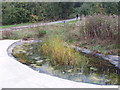
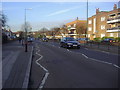
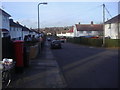
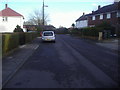
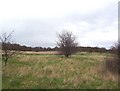
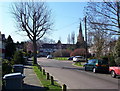
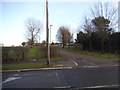
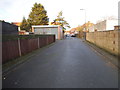
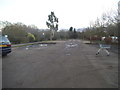
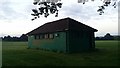
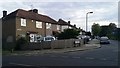
Area Information
Living in Welsh Harp Ward offers a distinct residential experience defined by its compact size and established character. This district borough unitary ward covers just 3.6 km², creating an intimate environment where residents know one another. You will find a tightly knit community of 3,859 people, resulting in a density of 1,078 people per km². Such high density suggests a lively neighbourhood where local shops and services are likely within walking distance for many households. Although specific details on exact street names are not included in this overview, the concentration of population indicates active community spaces and greenspaces are integral to daily life here. The area functions as a cohesive unit within its broader borough, offering a balance of urban convenience and local village-style living. Prospective buyers looking for homes in Welsh Harp Ward should expect an environment where community interaction is frequent and the built environment serves a significant local population. The ward provides a specific niche for those who prefer established residential zones over sprawling, low-density developments.
- Area Type
- District Borough Unitary Ward
- Area Size
- 3.6 km²
- Population
- 3859
- Population Density
- 1078 people/km²
Demographics
The community profile in Welsh Harp Ward reveals a specific demographic reality that homebuyers should understand before viewing properties. The median age for residents is 70, which is significantly higher than the national average. This indicates the ward is predominantly inhabited by older adults. You will find that the most common age range data is flagged as 'Total', suggesting a broad spread across older generations rather than a specific young family demographic. This age profile shapes the local culture and amenities needed in the area. Home ownership stands at 45%, meaning slightly less than half of residents own their property outright or with a mortgage. Conversely, roughly 55% of households consist of private renters. The data labels household composition and accommodation type as 'total', confirming a mix of house types but with a clear leaning towards ownership being less dominant than renting. Religious and ethnic composition is listed as 'total', implying a diverse population without a single overwhelming majority group. Living here means engaging with a mature population where services may cater more to elderly needs than young families.
Household Size
Accommodation Type
Tenure
Ethnic Group
Religion
Household Composition
Age
Household Deprivation
NS-SEC
Explore more demographic insights in this area
Go to Demographics tabPlanning
Planning Constraints
- Flood RiskPremium
- Ramsar Wetland SitesPremium
- Area of Outstanding Natural BeautyPremium
- Protected Nature ReservePremium
- Protected WoodlandPremium
- Crime RiskPremium