Area Overview for Waltham Forest
Photos of Waltham Forest


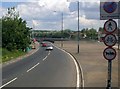
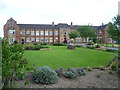
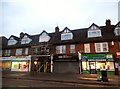
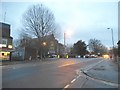


Area Information
Living in Waltham Forest offers a blend of urban convenience and community character. Covering 28.9 km², this built-up area in England is home to 172,492 residents, creating a dense yet compact environment. The area’s population density of 5,966 people per square kilometre reflects a mix of established neighbourhoods and evolving housing stock. Daily life here is shaped by proximity to transport hubs, retail centres, and a range of educational facilities. Waltham Forest’s appeal lies in its accessibility to London’s broader infrastructure, with multiple rail and metro stations within reach. While the median age of 70 suggests a mature demographic, the area remains active with amenities like nurseries, primary schools, and retail outlets. Residents benefit from a well-connected transport network, including stations such as Walthamstow Central and Snaresbrook, which link to central London. The presence of broadband rated 96/100 ensures reliable digital connectivity, supporting both work and leisure. For those considering homes in Waltham Forest, the balance of practicality and community amenities makes it a viable choice for families and professionals alike.
- Area Type
- District/Borough
- Area Size
- 28.9 km²
- Population
- 172492
- Population Density
- 5966 people/km²
Demographics
Waltham Forest’s population includes a median age of 70, indicating a significant proportion of older residents. This age profile shapes the community’s dynamics, with a focus on services and infrastructure suited to mature demographics. Home ownership stands at 50%, suggesting a mix of owner-occupied properties and rental units. The data does not specify household composition or accommodation types, but the overall population density of 5,966 people per square kilometre implies a range of living arrangements. The area’s ethnic and religious diversity is not detailed in the provided data, but its proximity to London’s cultural hubs likely contributes to a varied demographic. For quality of life, the 50% home ownership rate means a portion of residents may rely on rental markets, which could influence housing affordability. The absence of specific deprivation metrics means broader socioeconomic factors remain unquantified, though the area’s amenities and transport links suggest a functional, if not affluent, living environment.
Household Size
Accommodation Type
Tenure
Ethnic Group
Religion
Household Composition
Age
Household Deprivation
NS-SEC
Explore more demographic insights in this area
Go to Demographics tabPlanning
Planning Constraints
- Crime RiskLocked