Area Overview for Tower Ward
Photos of Tower Ward

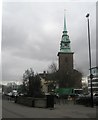
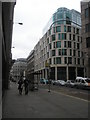
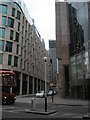
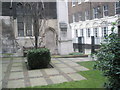
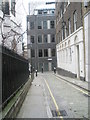
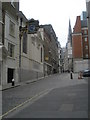
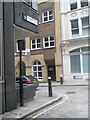
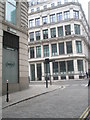
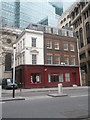
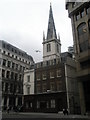
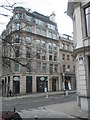
Area Information
Tower Ward represents a compact district with a total area size of only 19.8 hectares. This small footprint defines the boundaries of daily life for residents within this borough unitary ward in England. Living here means navigating a neighbourhood where every square metre is significant. The area distinguishes itself through a very specific demographic profile that sets it apart from surrounding locations. You will find a community where the median age stands at 70 years. This figure indicates an older population that values a quiet environment, likely prioritising amenities suited to mature residents. The limited land area suggests a high-density settlement pattern or a tightly concentrated village core. When you consider homes in Tower Ward, expect a setting that is geographically constrained yet functionally complete. Daily life revolves around this centralised location, meaning access to local services happens quickly without long travel times. The neighbourhood functions as a contained universe within the wider borough. Understanding the sheer scale of 19.8 hectares helps you visualise the proximity of your new home to the nearest shop or green space. There is little room for sprawl, which encourages reliance on walking or community transport. This compact nature makes Tower Ward a distinct choice for those who understand the implications of small-area living.
- Area Type
- District Borough Unitary Ward
- Area Size
- 19.8 hectares
- Population
- Not available
- Population Density
- Not available
Demographics
The community in Tower Ward is defined by an exceptionally mature age profile. With a median age of 70, the population skews heavily towards older generations. The data shows home ownership stands at just 9%, a figure that suggests the vast majority of households are tenants rather than owners. This low ownership rate influences the social fabric and financial decisions for anyone considering moving to Tower Ward. While specific breakdowns for household composition, predominant ethnic groups, and religious affiliation are not detailed in the available records, the dominant age factor remains the primary characteristic of the area. The most common age range data listed simply as "Age: Total" reinforces that age is the single most defining metric available. You should expect a neighbourhood where life pace is generally slower due to the resident age. This demographic reality means that social groups will centre around activities suitable for seniors, such as local clubs or health services. The 9% ownership rate also means that up-and-coming buyers will primarily enter the market through the private rented sector. Any attempt to buy a home in this ward involves a unique market position where existing tenure types differ sharply from the national norm. The lack of diversity metrics in the data implies a relatively homogenous demographic structure, driven principally by this high median age. Residents here likely share similar life stages and priorities regarding their local environment.
Household Size
Accommodation Type
Tenure
Ethnic Group
Religion
Household Composition
Age
Household Deprivation
NS-SEC
Explore more demographic insights in this area
Go to Demographics tabPlanning
Planning Constraints
- Flood RiskPremium
- Ramsar Wetland SitesPremium
- Area of Outstanding Natural BeautyPremium
- Protected Nature ReservePremium
- Protected WoodlandPremium