Area Overview for SE11 4NN
Photos of SE11 4NN
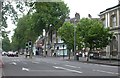
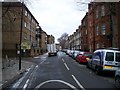
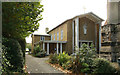
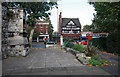
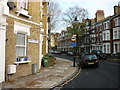
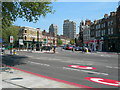

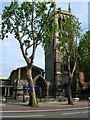
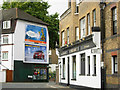
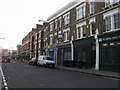

Area Information
Living in SE11 4NN offers a distinct experience within a compact residential cluster covering 1582 square metres. This specific postcode area supports a population of 2135 residents, creating a densely populated environment where local life moves quickly. You will find that daily routines are shaped by the high concentration of people and the limited physical footprint of the neighbourhood. The sheer volume of residents per square kilometre ensures that services are close at hand, yet the area maintains the focused character of a small residential zone. Understanding the scale of this postcode is essential before assessing costs or lifestyle fit. Prospective buyers must consider what this density means for noise levels, communal spaces, and the immediacy of local interactions. The area functions as a tight-knit unit where the distinction between streets and pockets of homes is minimal. You are entering a market defined by its scale and the specific needs of those living within this concrete-envelope of addresses. The area name SE11 4NN appears frequently in council documents and utility records, anchoring the location within the broader Southwark context. Your time here will be defined by the efficiency of services and the proximity to major transportation hubs, not by sprawling distances.
- Area Type
- Postcode
- Area Size
- 1582 m²
- Population
- 2135
- Population Density
- 17941 people/km²
The housing stock in SE11 4NN is overwhelmingly comprised of flats, which defines the character of the property market in this postcode. With only 35% of the population owning their homes, the area functions largely as a rental market or one where investment property dominates over owner-occupier housing. This dynamic suggests that buying a freehold is less common than renting a leasehold unit. You will likely encounter a market where tenancy agreements are the standard entry point for most residents. The small physical size of the area, which covers just 1582 square metres, limits the variety of property types available compared to larger suburbs. The high density of 1349726 people per square kilometre implies a vertical living arrangement rather than horizontal expansion. Buyers considering homes in SE11 4NN must appreciate that the scarcity of space often drives competition among tenants. The predominance of apartments means there are no large detached gardens in this specific cluster, aligning the lifestyle with urban living standards rather than suburban aspirations.
House Prices in SE11 4NN
Showing 12 properties
Energy Efficiency in SE11 4NN
Your daily life in SE11 4NN is supported by a dense network of amenities within practical reach. Retail needs are met by five nearby supermarkets, including Tesco Lambeth and both instances of Tesco Kennington. For commuters, transport options are extensive with five metro stations such as Kennington Station, Oval, and Southwark Station located close by. Rail connectivity is equally strong, with Elephant & Castle Railway Station, Vauxhall Railway Station, and London Waterloo Railway Station facilitating easy access across the capital. If you prefer water transport, ferry services at Lambeth Pier, Millbank Pier, and Vauxhall St George Wharf Pier offer an alternative route into the city. Bus connections include the Green Line Coach Station, Victoria Coach Station, and London Victoria Coach Station Arrivals. Living in SE11 4NN means you never need to travel far for groceries, work, or leisure. The concentration of these specific venues turns a standard commute into a short walk to a busy transport interchange.
Amenities
Schools
| Rank | School | Type | Entry gender | Ages |
|---|
Explore more schools in this area
Go to Schools tabDemographics
The community in SE11 4NN is characterised by a significant number of adults aged between 30 and 64 years. This age bracket represents the most common group within the population structure, suggesting a demographic focused on established careers and family formation. The median age stands at 47 years, which typically indicates a neighbourhood with stable, long-term residents rather than transient accommodation. Only 35% of the population owns their home, meaning the majority of residents are tenants. Flats constitute the primary type of accommodation, reflecting a skyline dominated by multi-unit dwellings rather than detached family houses. White residents form the predominant ethnic group within the statistics provided. While specific deprivation indices are not listed in the available records, the age profile and high tenancy rate often correlate with specific rental market dynamics in central London. The presence of such a high percentage of adults in the workforce suggests a demand for amenities that cater to professionals and parents. Young families may find the flat-based housing stock suits smaller spaces, although the low ownership rate of just 35% points to a competitive or challenging market for securing capital assets in this specific zone.
Household Size
Accommodation Type
Tenure
Ethnic Group
Religion
Household Composition
Age
Household Deprivation
NS-SEC
Explore more demographic insights in this area
Go to Demographics tabPlanning
Planning Constraints
- Flood RiskPremium
- Ramsar Wetland SitesPremium
- Area of Outstanding Natural BeautyPremium
- Protected Nature ReservePremium
- Protected WoodlandPremium